Best 7-reel pokies in Australia: the titles, the maths, and the offshore reality
 Available in AU
Last updated 18 October 2026 — bonus terms, IGA enforcement figures and BetStop registrations verified against the ACMA, the Interactive Gambling Act 2001 and current operator terms pages.
Table of Contents
- What makes a 7-reel pokie stand out in 2026
- Why 7-reel pokies aren’t just bigger 5-reel games
- The best 7-reel pokies worth your spins in 2026
- How to play 7-reel pokies free — without a single download
- Playing 7-reel pokies for real money — what changes when cash is on the line
- Why most 7-reel bonuses aren’t as generous as they look
- Where Australians actually play 7-reel pokies — and what that means for your money
- Are 7-reel pokies legal in Australia? The answer isn’t a grey area
- Staying in control on 7-reel pokies — the tools that actually work in Australia
- How we picked the best 7-reel pokies for Australian players
- Frequently asked questions
- 7-reel pokies in 2026 — worth the spin, but know the trade-off
What makes a 7-reel pokie stand out in 2026
A 7-reel pokie is not a 5-reel pokie with two extra columns bolted on. The format change rewires the pay mechanic, shifts the rhythm of a session, and moves the marketing conversation away from paylines and towards “ways”, clusters and grids. The PlayUSA catalogue captures the split sharply: of more than 560 free slot games, only eight sit in the 7-reel bucket, against 451 five-reel and 59 six-reel games. The format is small in number and heavy in screen time. Every title that lands on this page earns its slot by doing something a 5-reel game cannot.
This page ranks the fourteen strongest 7-reel titles available to Australian players in 2026, names the offshore casinos that actually host them, and traces the wagering, payment and legal arithmetic that turns a welcome bonus into a number. “Best” here is not a single dimension. A title with the highest return-to-player percentage is not the title a player with a small bankroll wants to spend an hour on. A title with a six-figure max win is not the title a casual player will ever see the top of. The ordering below mixes long-run return, volatility profile, max-win ceiling, provider track record and Australian access — and the trade-offs in each pick are stated, not glossed.
How 7-reel games compare to the classic 3- and 5-reel pokies most Australians know
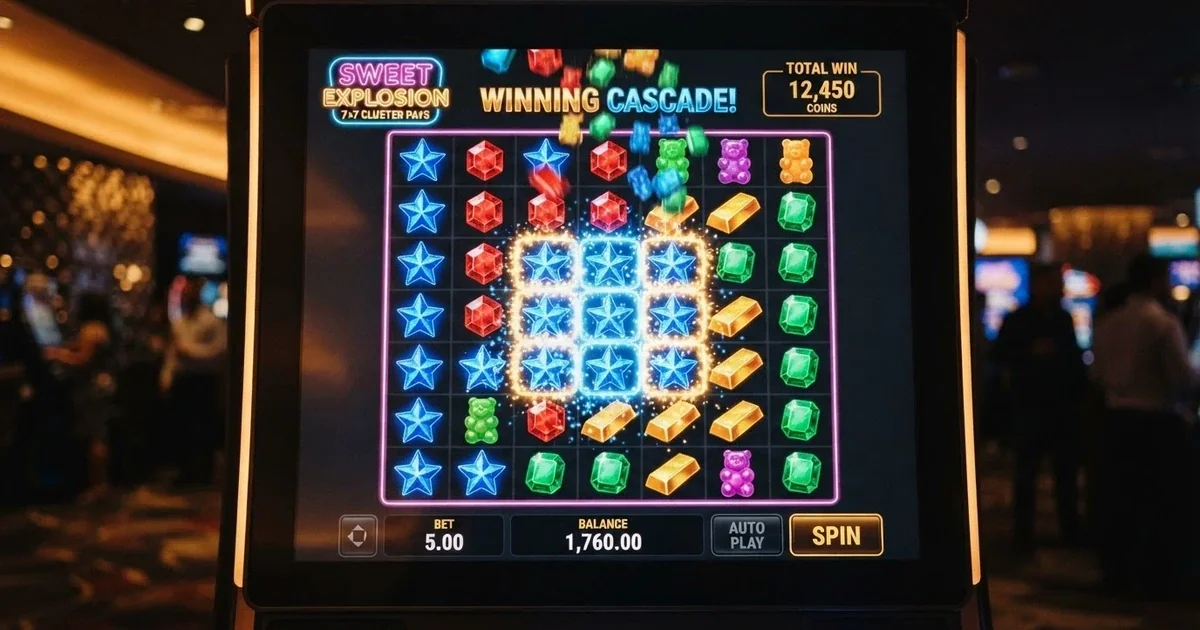
A 3-reel pokie is a one-arm bandit with three spinning windows and a single horizontal payline. A 5-reel pokie is the same idea, with more lines drawn across five windows. A 7-reel pokie tends to throw out the line model entirely. AusPokies puts it plainly when reviewing the format: “The 7-reel, 7-row cluster grid gives wins more space to build than a standard line slot.” That space is the product. Forty-nine cells in a 7×7 grid, with matching symbols paying wherever they touch, replaces the left-to-right, line-by-line scanning a 5-reel player has spent a decade internalising.
The behavioural shift matters more than the geometry. A 5-reel line slot delivers a small win, a near-miss, a small win, a dry patch. A 7-reel cluster pokie delivers cascades — a cluster pays out, the winning symbols disappear, new symbols fall in, and the player gets another chance on the same paid spin. The math and the rhythm both change. Hit frequency climbs because the grid is doing more work per spin. Volatility climbs with it, because the big wins live in the multi-level features the cascades unlock.
What “best” means when every 7-reel pokie plays differently
Return to player is the headline number on every pokie review page. It is also the number the marketing puts in the largest font. RTP is a long-run average over millions of spins, not a session promise. A 97% pokie will happily eat a A$100 bankroll without returning 97% of it. The real question for a player picking a title is what shape the volatility curve gives the session — and the answer is hidden in the gap between RTP and hit frequency.
Volatility is the rhythm. A high-volatility pokie runs cold for long stretches, then delivers a feature or a cascade chain that pays for the entire session in one hit. A medium-volatility pokie returns smaller wins more often and gives the bankroll a longer life. Max win is the ceiling — the multiplier that turns a single spin into a career-defining payout — and it is almost always paired with high volatility, because paying a 100,000x multiplier requires the game to be stingy enough to fund it.
Provider reputation, the fifth criterion, is the one a player notices last and feels first. Play’n GO and Pragmatic Play ship cluster-pays games that behave the way their marketing describes. A studio with one 7-reel release and no track record carries an unmeasured risk that the game’s advertised RTP is a configuration the operator can dial down. Australian access rounds out the list: a title restricted to specific jurisdictions or operator groups is not “best” for a player who cannot reach it.
Why 7-reel pokies aren’t just bigger 5-reel games
The shift from 5 to 7 reels looks like a one-step change. It is not. The grid layout, the pay mechanic and the cascade engine that makes 7-reel play feel the way it does are all decisions the 5-reel format never had to make. The titles below use this freedom in different ways, and reading the format means reading the parts.
What a 7-reel pokie actually is — grid, reels and all
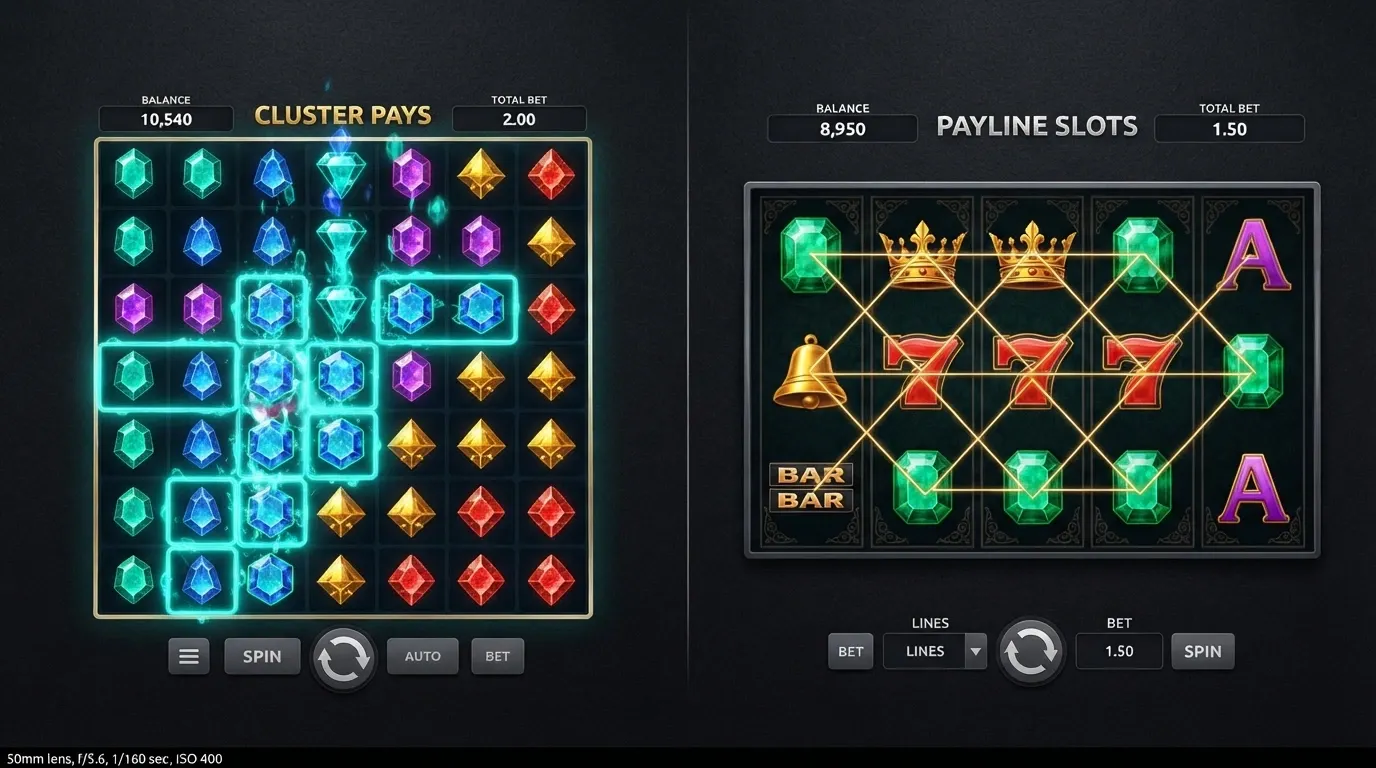
The 7×7 grid is the standard layout. Reactoonz, Sugar Rush 1000, Fortune of Olympus and the cluster-pays titles that dominate the 7-reel bucket all use it. Forty-nine symbols on screen at once, no fixed paylines, wins built from clusters of five or more matching symbols touching horizontally or vertically. Honey Rush, from Play’n GO, breaks the square — a hexagonal 4-5-6-7-6-5-4 layout that gives the title its distinctive honeycomb silhouette without changing the cluster-pays engine underneath.
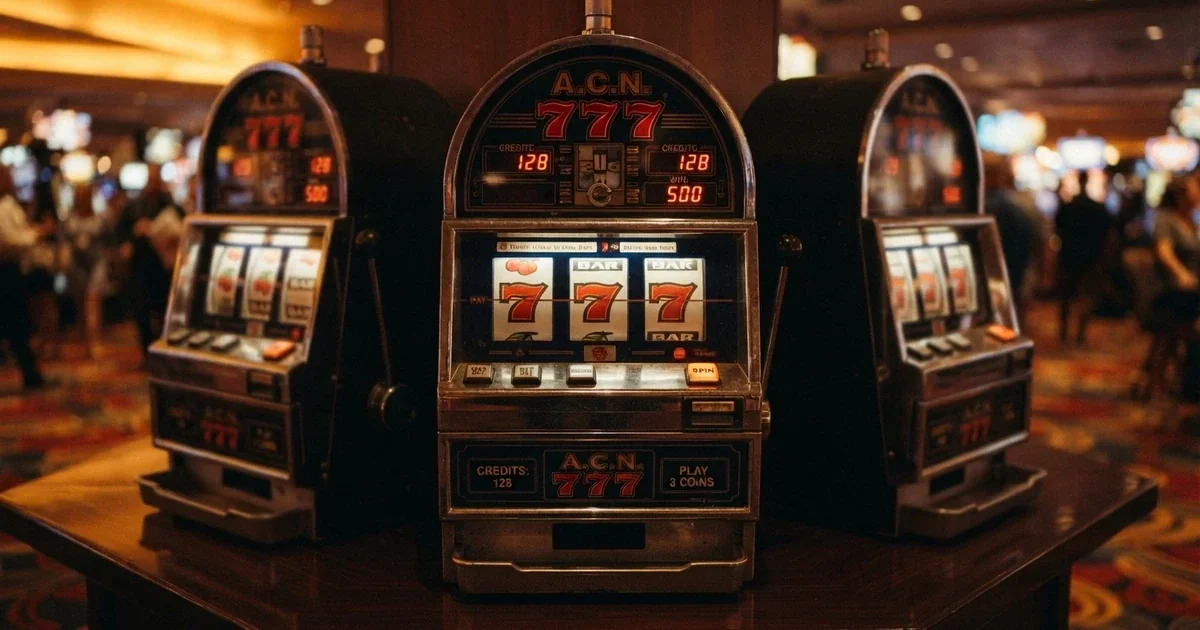
Not every 7-reel game drops the payline model. 7×7 Zeus (4ThePlayer) keeps a pay structure but stretches it: up to 1,111 ways to win across the seven reels, against the 243 ways a 5×3 grid can offer. It is a hybrid — the reel count is 7, but the mechanic is closer to “ways” than to clusters. Lucky 7s (WGS), the 2020 retro release, sits at the other end of the spectrum: a classic-style 7-reel game with six fixed paylines, the kind of layout a 1990s pub pokie would recognise.
How a cluster-pays 7-reel pokie actually builds a win
A cluster-pays pokie does not scan a payline left to right. It reads the grid as a graph. Anywhere five or more matching symbols touch — horizontally, vertically, or both — the cluster pays. The cluster clears, the symbols above drop into the empty cells, and a new spin begins on the same paid round. That second pass is the cascade. If it builds a new cluster, the cascade continues.
The mechanic is the format. Each title in the 7-reel pool — from Reactoonz and Viking Runecraft to Jurassic Party and Sugar Rush 1000 — leans on the cascade chain as the engine for both the base game and the bonus feature. Multipliers attached to repeated cascades, sticky wilds, charge meters and bonus triggers all build on the same idea: extend the spin, give the player more chances per paid round, and let the feature trigger fall out of the cascade sequence.
Why Australians call them pokies — and where “7-reel slot” fits
The Australian word is pokie. The international word is slot. The machine lives in clubs, pubs and casinos across every state; the digital version is what this page covers. The two terms mean the same game, and a page that uses only one will not be found by readers using the other. “Pokies” is the local vocabulary; “slots” is the search vocabulary. Both appear on this page, and the cluster-pays titles in the 7-reel pool are the digital version of the format — they are not the floor machines Australians play in the front bar.
That distinction is more than a translation note. Digital pokies are prohibited in Australia under the Interactive Gambling Act 2001. Land-based pokies are state-regulated, and the machines in clubs and casinos answer to state authorities. The 7-reel titles on this page all run on offshore platforms. The legal mechanics of that split run through the middle of the page below.
The best 7-reel pokies worth your spins in 2026
| Pokie title | Provider | RTP | Volatility | Max win |
|---|---|---|---|---|
| Sugar Rush 1000 | Pragmatic Play | 97.50% | High | 25,000x |
| Lucky 7s | WGS | 97.00% | — | — |
| Frenzy Clusters | BGaming | 97.11% | High | 10,000x |
| Waylanders Cup | Valkyrie Studio | 96.70% | High | 100,000x |
| Viking Runecraft | Play’n GO | 96.70% | — | 5,000x |
| Candy Rush | Pragmatic Play | 96.58% | — | — |
| Fortune of Olympus | Pragmatic Play | 96.55% | High | 10,000x |
| Reactoonz | Play’n GO | 96.51% | High | — |
| Jurassic Party | Relax Gaming | 96.47% | High | 20,000x |
| Munchy Milo | Hacksaw Gaming | 96.30% | Medium | 10,000x |
| Honey Rush Black and Yellow | Play’n GO | 96.25% | High | 20,000x |
| Mayan Multi Mayhem | iSoftBet | 95.98% | Medium-high | 20,000x |
| Candy Clash | Mancala Gaming | 95.00% | — | — |
| 7×7 Zeus | 4ThePlayer | 94.00% | Medium | 10,149x |
Sort order is RTP, descending. Em dashes mark the columns research did not populate for that title — for the reasons in the notes below, that is the honest answer rather than a rounded guess.

Reading the numbers — what RTP, volatility and max win actually tell you
RTP is the long-run return. A 96.51% pokie, averaged over millions of spins, returns A$96.51 of every A$100 wagered. A 97.50% pokie returns A$97.50. The gap between Sugar Rush 1000 at 97.50% and 7×7 Zeus at 94.00% is 3.5 percentage points, which on a A$10,000 turnover is A$350 — not nothing, and not the full picture.
Volatility is the experience. Reactoonz at 96.51% RTP and high volatility will run a session of near-misses and small wins, then deliver a feature round that pays for everything. Munchy Milo at 96.30% and medium volatility, with a 47% hit frequency, hands back a small win roughly every other spin. A player with a A$50 bankroll on a half-hour budget will feel Munchy Milo more often than they will feel Reactoonz, and a player with a A$1,000 bankroll and a two-hour budget may get the opposite impression.
Max win is the ceiling. Waylanders Cup’s 100,000x is a headline number. The game is high volatility, the 100,000x requires a feature combination that may not fire in 50,000 spins, and no realistic bankroll will ever ride out the variance to reach it. Sugar Rush 1000 at 25,000x is a more reachable target on a 7-reel title. A high max win is the game telling the marketing team what to put in the largest font; it is rarely the number a player will see.
The titles that stood out — and why
Sugar Rush 1000 tops the table at 97.50% RTP and 25,000x max win. The combination of highest long-run return in the pool with a five-figure multiplier ceiling is the format’s strongest single profile. Frenzy Clusters at 97.11% sits four-tenths of a point behind and pairs that return with a 10,000x max and a €250,000 hard cash cap. Jurassic Party and Honey Rush Black and Yellow both deliver 20,000x at RTPs in the 96.25%–96.47% band, with high volatility across both. Waylanders Cup is the extreme-upside outlier — 100,000x on a 96.70% RTP, the only 7-reel title in the pool with a six-figure multiplier, and a Stake Engine exclusive. Munchy Milo is the 2026 entrant: medium volatility, 47% hit frequency, 10,000x max, and the title most likely to keep a small bankroll alive long enough to see a feature.
How to play 7-reel pokies free — without a single download
Demo play is the answer to most of the questions a player has about a 7-reel title before risking a cent. The format is unusual enough that the visual feel of a cascade chain and the trigger rhythm of the feature cannot be inferred from the spec sheet. Free play delivers both, without an account and without a deposit.

Where to find 7-reel demos — the aggregators that actually stock them
Three libraries hold the bulk of free-play 7-reel titles. VegasSlotsOnline lists 41,624+ free slots with no download and no registration. Casino.Guru carries 20,000+ free slot games on the same no-sign-up terms. Casino.org offers 19,000+ free online slots for instant play. Each site runs the games in the browser, and each one carries at least some of the 7-reel titles in the table above — the cluster-pays block from Play’n GO and Pragmatic Play is well-stocked across the three. PlayUSA is a narrower curated set: exactly 8 free 7-reel slots out of 560+ free slot games, useful for a focused browse but a small fraction of what the larger aggregators carry.
What demo mode does — and does not — teach you
Demo mode teaches volatility feel. A player can run a 7-reel title for two hundred demo spins and learn whether the base game is drip-feeding small wins, swinging between cold and hot, or hoarding payouts for the bonus round. Demo mode also teaches the cluster mechanic. Reading a description of a 5+ matching-symbol cluster is one thing; watching a 6×6 chain of lollipops clear and refill on a single spin is the lesson that sticks.
Demo mode does not teach what real money changes. The psychological weight of a paid spin is different from the weight of a play-money spin, and the difference is the one thing the format is most likely to expose. Demo mode also skips the wagering requirement, the bonus-buy mechanic’s real cost, and the withdrawal friction that defines an offshore casino. Treat the demo as a research tool, not a predictor of session behaviour with cash on the line.
Classic-style 7-reel free play — the old-school end of the format
Lucky 7s (WGS), released in 2020, is the exception in the 7-reel pool. A 6-payline layout, a 97% RTP, and a classic slot silhouette — three rows of single-line symbols, the kind of look a 1990s pub pokie would recognise. The cluster-pays titles in the table above look like a different genre. Lucky 7s is the bridge for a player who wants seven reels without the cascade engine, and demo libraries that index the WGS catalogue will carry it.
Playing 7-reel pokies for real money — what changes when cash is on the line
Demo play and real-money play share the same game engine. Everything around the engine is different. The deposit, the bonus, the wagering, the withdrawal — every part of the player experience that happens outside the reels — runs on rules the demo mode skips. For an Australian player in 2026, those rules start with the offshore-only reality and end with a bank that may block the transaction from 1 January 2027.
AUD deposits and cashouts — what works from Australia
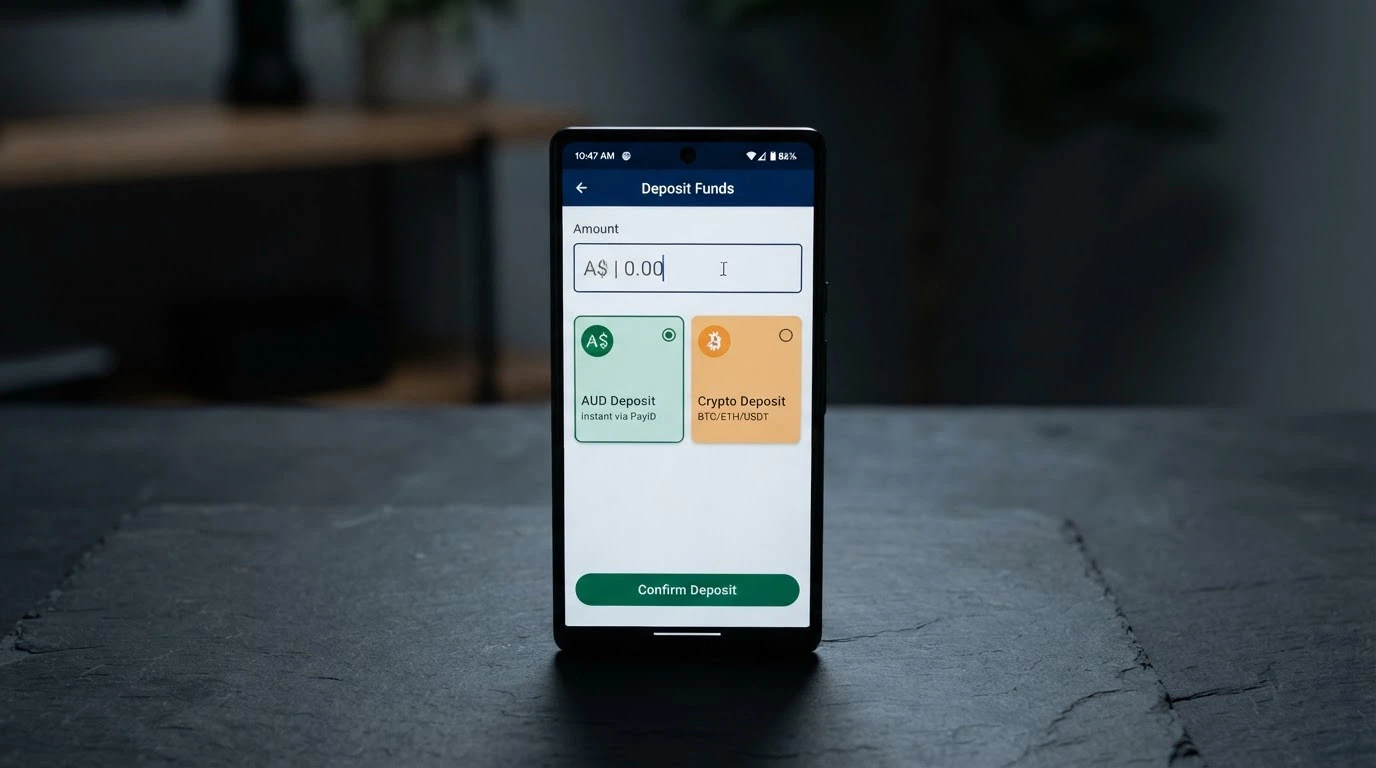
The domestic payment ban on licensed wagering — credit cards, credit-related products and crypto, effective 11 June 2024 — applies to Australian-licensed services. The offshore casinos on this page are not Australian-licensed services. They do not face that ban, and crypto is the dominant deposit route on most of them.
AUD bank transfers do appear on some offshore cashiers, but the experience is uneven — longer clearing times, intermittent availability, and the operator’s house rules on minimums and fees. PayID and Osko, the instant payment rails Australian bank accounts use, are the natural fit for AUD deposits on a licensed wagering site. They are not a natural fit for an offshore casino. A player funding an offshore account in AUD will usually do it through a card processor, an e-wallet, or crypto — and will hit at least one step that adds friction the demo never showed.
Withdrawal friction is the real-money differentiator. Demo mode never makes the player wait three business days for a payout, never asks for a fresh KYC document, and never imposes a minimum cashout that dwarfs the balance. Read the withdrawal terms before depositing, and read them again before requesting a payout.
Why most 7-reel bonuses aren’t as generous as they look
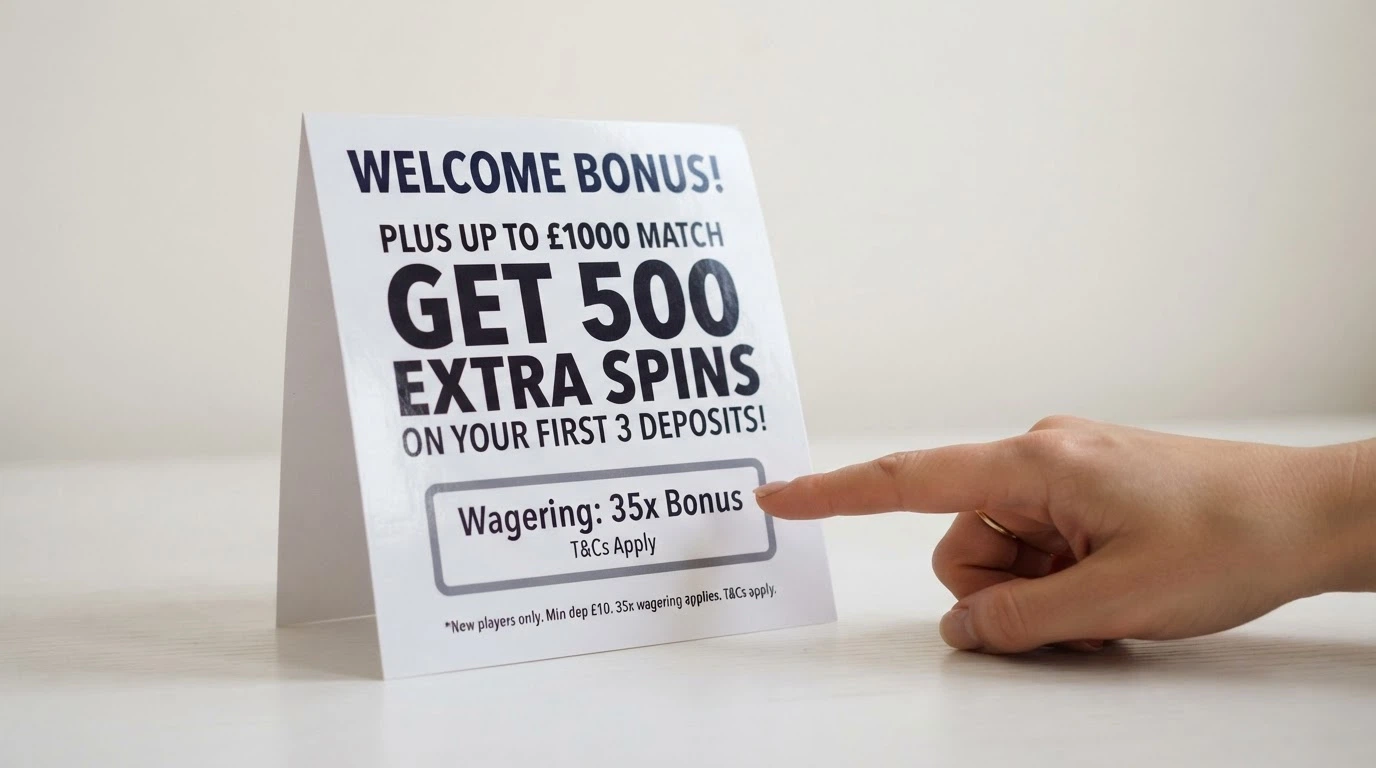
A welcome bonus headline — A$8,000 + 400 free spins, A$1,000 + 100 free spins, A$2,500 + 50 free spins — is the marketing number. The wagering multiplier is the cost number. A bonus with 35x wagering on a A$500 match requires A$17,500 in turnover before a dollar of bonus cash can leave the account. The bonus is the price tag; the wagering is the bill.
Free-spin offers on 7-reel pokies — what the fine print hides
Free spins arrive with three conditions attached. The first is the stake size: Royal Reels’ 50 free spins land on a featured pokie at a fixed A$0.20 per spin, giving a headline value of A$10 in spin credit. The second is the game restriction: not every free-spin package is cleared on a 7-reel title, and a player who only wants to play Sugar Rush 1000 should check the eligible-games list before they claim. The third is the cashout cap: SkyCrown’s welcome package limits free-spin winnings to A$300 per deposit part, a hard ceiling regardless of what the spins actually return.
After the spins finish, the wagering begins. Royal Reels’ 50 free spins at 35x on winnings means a A$30 return from the spins becomes A$1,050 of additional turnover before withdrawal. PokiesAustralia puts the reasonable range for no-deposit free-spin offers at 30x–35x on winnings, and anything above 50x as effectively unclearable for most players.
The wagering math — why a A$500 bonus can cost more than it gives
The Royal Reels first-deposit match is 100% up to A$500 at 35x wagering on the bonus amount. The expected cost of clearing that bonus, taking Reactoonz’s 96.51% RTP as the representative 7-reel cluster-pays benchmark, is A$17,500 in turnover at a 3.49% house edge — an expected loss of A$610.75 against a A$500 bonus, before any of the bonus cash is realised. The headline reads “A$500 free”. The math reads “you will pay A$610.75 for the privilege of chasing A$500 in bonus cash, and the bet stops at A$5 per spin during clear-down”.
A player who reads the wagering terms before depositing can decide whether the bonus is worth chasing. A player who reads only the headline pays the difference.
Where Australians actually play 7-reel pokies — and what that means for your money
Every real-money 7-reel option for an Australian player in 2026 is offshore. No Australian licence exists for online casino or online pokies — not federally, not in any state or territory. The Interactive Gambling Act 2001 prohibits the provision, the ACMA enforces it, and the ten operators below all accept Australian players from outside Australian jurisdiction.
| Operator | AU licence status | Headline welcome offer | Wagering multiplier |
|---|---|---|---|
| Rocket Play | No AU licence (offshore) | A$1,000 + 100 FS | 30x–40x |
| SkyCrown | No AU licence (offshore) | A$8,000 + 400 FS | 40x |
| Royal Reels | No AU licence (offshore) | A$2,500 + 50 FS | 35x |
| Stake | No AU licence (offshore) | — | — |
| WinSpirit | No AU licence (offshore) | — | — |
| Rainbet | No AU licence (offshore) | — | — |
| Scream Casino | No AU licence (offshore) | — | — |
| FairGO | No AU licence (offshore) | — | — |
| Bizzo Casino | No AU licence (offshore) | — | — |
| Rocket Casino | No AU licence (offshore) | — | — |
Em dashes mark the cells research did not confirm. The shared “no AU licence” column tells the same story for every operator: there is no Australian regulatory body to verify, no ACMA protection, no BetStop coverage, and no Australian consumer recourse if a withdrawal is refused.
Rocket Play
Rocket Play’s headline is the 100% up to A$1,000 + 100 free spins first-deposit offer, with a 300% headline across the full multi-deposit package. The fine print: 40x wagering, an A$5,000 maximum win from the bonus, a 5-day expiry, and a A$7.50 maximum bet while the bonus is active. The alternative Rocket Play offer — 100% up to A$200 + 50 free spins at 30x wagering with an A$500 cashout cap — is a smaller ask, and the 30x wagering is at the friendlier end of the market range.
The game-provider range is the missing piece. Rocket Play did not surface a confirmed provider list this round, and a player who wants a specific 7-reel title should check the lobby before depositing. The bonus structure rewards a multi-deposit player, and the 5-day expiry on each part means a player who takes their time burns the bonus before they finish the wagering.
SkyCrown
SkyCrown runs the largest headline in the offshore casino pool: up to A$8,000 + 400 free spins across four deposits, with 120% up to A$1,200 + 125 free spins on the first deposit alone. The wagering is 40x on both bonus and spin winnings, and pokies contribute 100% toward clearing it. The per-deposit-part caps — A$5,000 bonus cap and A$300 free-spin win limit per part — are the catch. The 125 free spins on deposit one look like A$300 of headline value at A$0.20 per spin; the A$300 per-part win cap means the spins cannot return more than A$300 above the cap, regardless of what the game delivers.
Crypto depositors are excluded from the welcome bonus — a player funding with Bitcoin or Ethereum on SkyCrown will not see the A$8,000 + 400 free spins package. That detail turns a marketing headline into a non-starter for a meaningful slice of the offshore player base.
Royal Reels
Royal Reels is the pokies-first operator in the set: 5,400+ pokies from 40+ software providers, the deepest library in the table above. The welcome package is the second-largest of the three confirmed operators: 100% up to A$500 + 50 free spins on the first deposit, A$2,500 + 50 free spins across three deposits total, 35x wagering on the bonus only. The 50 free spins at a fixed A$0.20 stake (A$10 total spin value) carry 35x wagering on winnings, and the A$5 per-spin cap during bonus clear-down keeps the bonus-busting tactics in check.
Royal Reels also offers an A$10 no-deposit bonus after phone verification, with 30x wagering on the bonus. PokiesAustralia’s no-deposit range is A$50–$200 in maximum cashout caps, and a A$10 no-deposit sits below the typical cap. The A$30 minimum deposit for the standard welcome offer is the lowest of the three confirmed operators.
Stake
Stake is the crypto-native operator, and the only one in the set with a proprietary 7-reel title to its name: Waylanders Cup, from Valkyrie Studio, ships on the Stake Engine. The 96.70% RTP and 100,000x max win sit at the top of the upside chart for the format. A player who wants the six-figure multiplier ceiling and is comfortable with crypto-only deposits has a direct line to it on Stake.
The bonus specifics for Stake were not confirmed this round. Crypto-only deposits mean the credit/crypto ban on Australian licensed wagering does not apply; it does not mean Stake is licensed in Australia. The offshore status, the lack of BetStop coverage, and the lack of Australian consumer recourse all still apply. A player who picks Stake is picking a crypto-native casino for the 7-reel title catalogue and the 100,000x ceiling — not a regulated Australian experience.
WinSpirit
WinSpirit is an offshore casino accepting Australian players, without an Australian licence. Specific bonus terms, game provider range, and wagering conditions for WinSpirit were not confirmed in this research pass. A player considering WinSpirit should verify the welcome offer, the bonus wagering multiplier, the eligible games list for any free-spin package, and the withdrawal terms directly on the operator’s site before depositing. The offshore-only caveats that apply to every brand in this table — no ACMA protection, no BetStop coverage, no Australian consumer recourse — apply to WinSpirit in full.
Rainbet
Rainbet is an offshore casino accepting Australian players, without an Australian licence. Specific bonus terms, game provider range, and wagering conditions for Rainbet were not confirmed in this research pass. The offshore-only caveats apply: no ACMA protection, no BetStop coverage, no Australian consumer recourse. A player considering Rainbet should treat every bonus headline as unconfirmed until checked against the operator’s current terms page.
Scream Casino
Scream Casino is an offshore casino accepting Australian players, without an Australian licence. Specific bonus terms and game provider range were not confirmed in this research pass. The standard offshore caveats apply in full. Verify the welcome offer terms, the eligible games, the wagering multiplier, and the withdrawal policy directly with the operator before any deposit.
FairGO
FairGO is a historically active offshore casino. As with the operators above, bonus and game details remain unconfirmed. Check current terms directly with the operator before depositing.
Bizzo Casino
Bizzo Casino is an offshore operator. Bonus and provider details are unconfirmed; see the general offshore caveats above regarding consumer protections and verify all terms on the operator’s site.
Rocket Casino
Rocket Casino is an offshore operator. Specific terms are unconfirmed. Refer to the offshore risk summary above and verify all details on the site before wagering.
Are 7-reel pokies legal in Australia? The answer isn’t a grey area
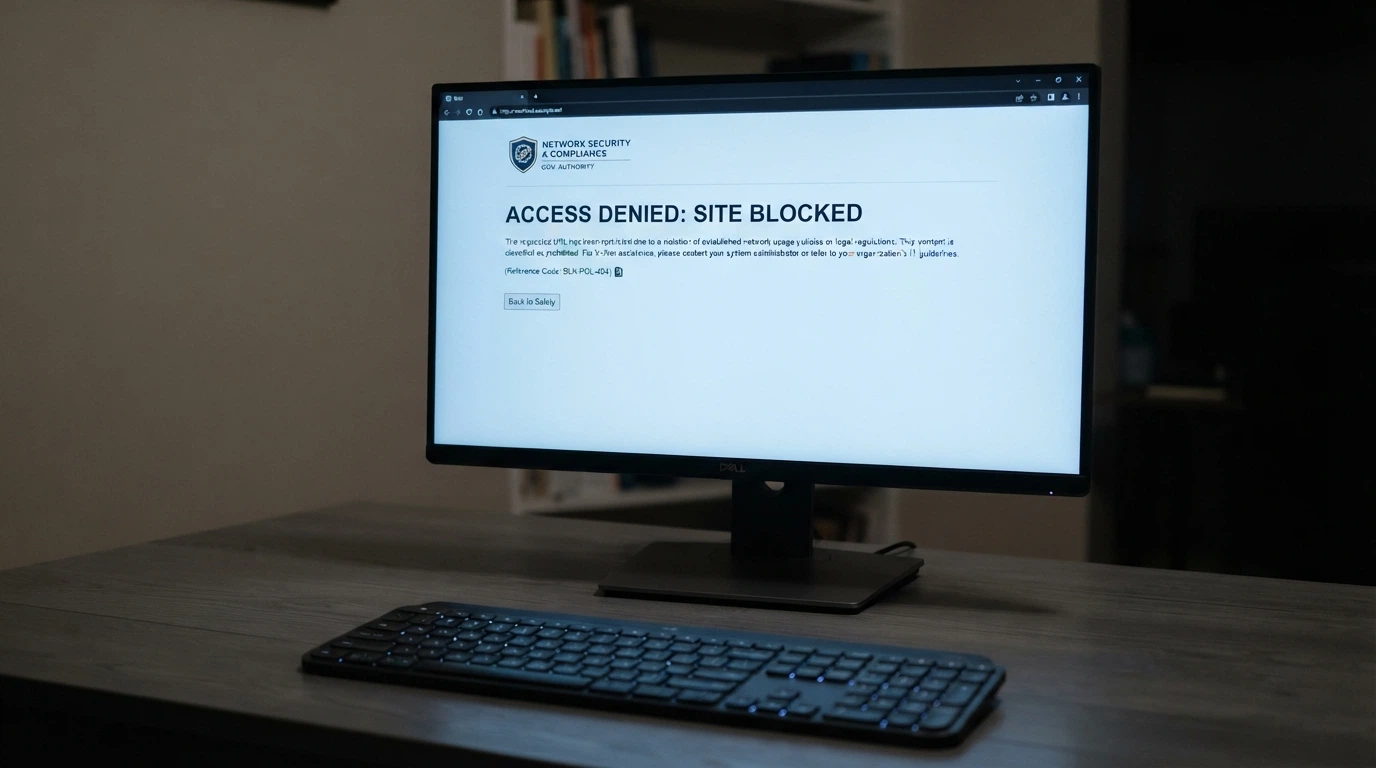
The Interactive Gambling Act 2001 prohibits the provision of online casino games, online pokies and in-play sports betting to a person in Australia. The ACMA states the rule plainly: providing these services to someone in Australia is prohibited. There is no Australian licence for online casino — not federally, not in any state or territory. The 2017 amendments closed the loopholes offshore operators had used to argue around the prohibition, and the ACMA has had 1,564 illegal gambling and affiliate websites blocked by Australian ISPs since November 2019.
What is legal and licensable is narrower. Wagering on races and sport before the event begins, lotteries, and keno — through operators licensed by a state or territory, with online wagering licensing primarily through the Northern Territory Racing and Wagering Commission. The minimum age is 18. The licensed wagering product is the only gambling product an Australian consumer can buy from an Australian-regulated counter, and 7-reel pokies are not in that product.
Licensed vs offshore — the two worlds an Australian player navigates
A TAB account and an offshore casino login sit on different sides of the IGA. The TAB answer — SportsBet, Bet365, Ladbrokes, Neds — is a wagering operator licensed by a state or territory, covered by BetStop, governed by Australian consumer law, and held to the credit/crypto payment ban that took effect 11 June 2024. The offshore casino is none of those things. More than 225 illegal services have withdrawn from the Australian market since the 2017 amendments strengthened enforcement. The ones still taking Australian players are doing so without Australian regulatory oversight.
BetStop does not cover offshore casinos. The single-step self-exclusion register binds Australian-licensed wagering services — around 150 of them — and stops the moment a player logs into an offshore site. A self-excluded Australian can still deposit, wager, and lose on a 7-reel pokie at an offshore casino, and there is no Australian body to stop it.
What you risk on an unlicensed site — beyond the obvious
The obvious risk is the absence of Australian consumer protection. The non-obvious risks are the ones the offshore reality creates by design. Withdrawal refusal with no regulator to appeal to. Bonus terms rewritten after a deposit. A win voided on a “irregular play” rule the player never saw. A site blocked by the ACMA with a balance still on it. The 1,564 sites blocked since November 2019 were not blocked because the ACMA woke up one morning; they were blocked because enough operators failed enough players.
From 1 January 2027, banks and payment providers gain express authority to block transactions to illegal gambling operators. A player funding an offshore casino account from an Australian bank in $$CY+1$$ may see the transaction refused at the source. The offshore operator is still offshore; the funding path is no longer guaranteed.
The 2026–2027 reform wave — what is changing and when
The Interactive Gambling Amendment (Gambling Reform) Bill 2026 passed Parliament on 19 August 2026. The measures commence on 1 January 2027, and they reshape what licensed wagering can advertise and what offshore operators can fund. The advertising cap: no more than three wagering ads per hour between 6:00 am and 8:30 pm, with a live-sport blackout from 15 minutes before a live event until 5 minutes after. The endorsement ban: athletes, celebrities, and influencers barred from promoting wagering products. The inducement prohibition: direct marketing of inducements blocked for 14 days after sign-up, three months after BetStop deregistration, and indefinitely for customers flagged as at risk. The bank authority: the power to block transactions to illegal gambling operators, taking effect on the same date.
The reform package is licensed-wagering-focused. It does not legalise online casino. It does not change the offshore-only reality of 7-reel pokies. What it does is make the funding path harder and the marketing environment quieter.
Staying in control on 7-reel pokies — the tools that actually work in Australia
The responsible-gambling infrastructure in Australia is real, and it is built for the licensed product. BetStop went live in August 2023. As at 31 July 2026, the register held 67,480 registrations, with 41,290 exclusions still active. 78% of registrants were under 40, and 38% chose lifetime exclusion. The National Gambling Helpline — 1800 858 858 — is free, confidential, and staffed 24 hours a day, with online chat and counselling through Gambling Help Online. The prevalence data puts the risk in context: about 2.1% of Australian adults, roughly 430,000 people, experience problem gambling, with the Australian Institute of Health and Welfare placing high-risk gambling at 1.8% in 2022.
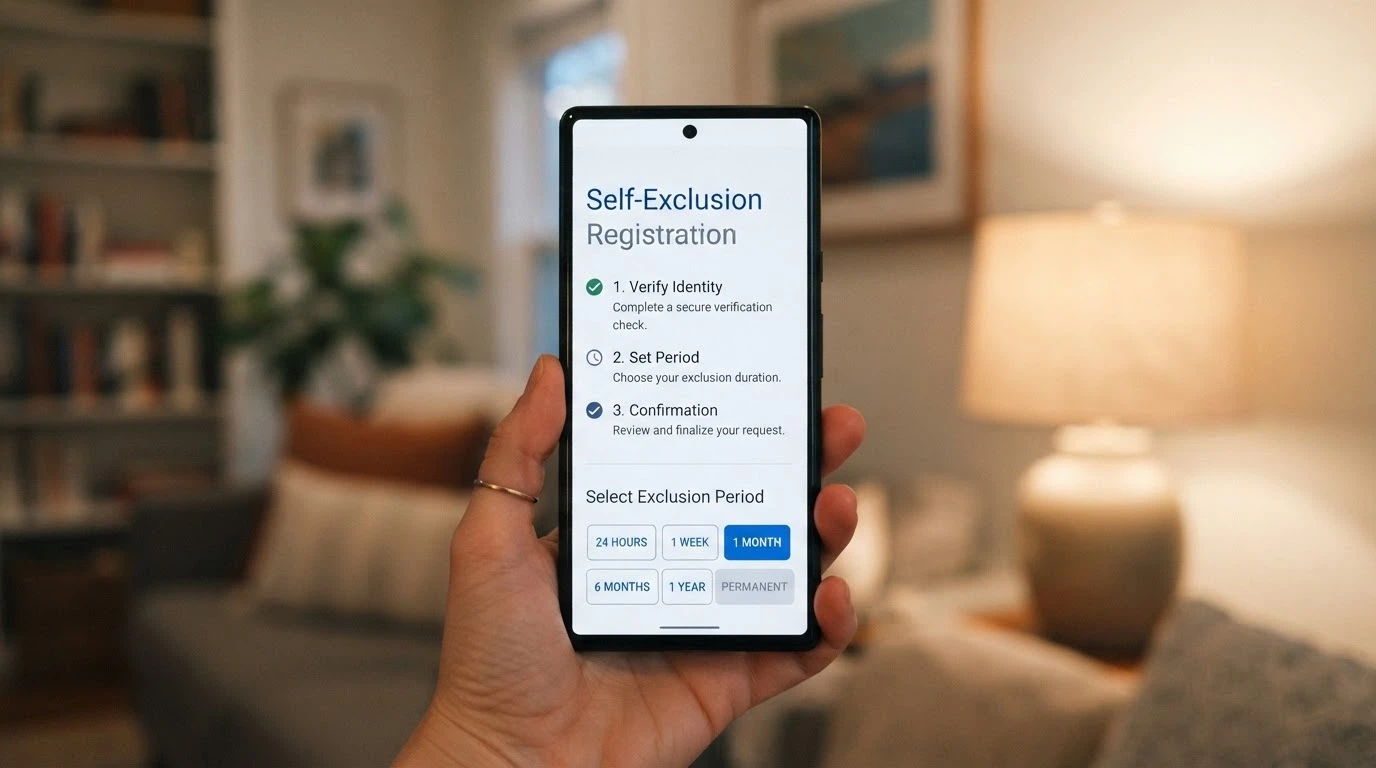
The offshore gap cuts through every one of these tools. BetStop does not cover offshore casinos. The 1800 helpline is always available, but the offshore operator will still take a self-excluded Australian’s deposit. The activity statement and the deposit limit are licensed-wagering instruments. A player funding an offshore casino is funding a system that none of the Australian infrastructure touches.
BetStop — one register, every licensed service, and the offshore blind spot
BetStop’s mechanics are simple. One registration excludes a person from every Australian-licensed online and phone wagering service in a single step, for a minimum of three months and up to lifetime. The person cannot apply to be removed in the first three months, and the exclusion period is the minimum commitment, not a starting offer. Approximately 150 licensed wagering providers are covered.
The blind spot is the offshore casino. BetStop does not reach the ten operators in the table above. A player who registers with BetStop and then logs into an offshore casino will not be stopped at the door, will not have their deposit refused, and will not be flagged by the operator. The protection ends where the licensed market ends, and the 7-reel pokie market is entirely on the other side.
Practical limits — deposit caps, session timers and the tools offshore sites do offer
Deposit limits, session timers, reality checks and activity statements are standard on Australian-licensed wagering platforms, and the conditions vary by state or territory. The credit and crypto payment ban since 11 June 2024 is a payment cap, not a stake cap — the licensed product is restricted by the deposit method, not by a federal deposit ceiling, because the deposit ceiling would govern a product that is banned outright. An operator that fails to enforce the credit/crypto ban faces penalties of up to A$247,500.
Offshore casinos offer their own voluntary tools — deposit limits, self-exclusion, cool-off periods — and a player who uses them genuinely is better off than a player who uses them not at all. The voluntary nature of the tool is the gap. There is no Australian regulator auditing whether the limit was set, whether the cool-off was honoured, or whether the self-exclusion was enforced.
When to step away — the numbers that tell you it’s time
The 2.1% problem-gambling prevalence figure — about 430,000 Australian adults — is the macro number. The micro numbers are more useful. 78% of BetStop registrants are under 40, which puts the at-risk population in the same age band as the heaviest 7-reel pokie player. The 38% lifetime-exclusion rate is the share of registrants who concluded that no minimum period was short enough.
The cluster-pays mechanic carries its own pull. The cascade chain extends a single paid spin into a string of chances, and a feature trigger falling out of a cascade sequence is a dopamine spike the format is built to deliver. The warning signs are familiar: chasing a feature that hasn’t fired, raising stakes after a cascade loss, treating the bonus clear-down as a job to finish. The 1800 858 858 helpline is there for the moment the player stops enjoying the format.
How we picked the best 7-reel pokies for Australian players
The title roster comes from a pool of cluster-pays and 7-reel releases surfaced in 2026 slot review sources — AusPokies, VegasSlotsOnline, CasinoCanada, SlotZone, Spinhunter and SlotArk for individual game statistics, with PlayUSA’s 7-reel catalogue as a structural cross-check. Per-title data was taken from the source that reported it most directly, and where a source flagged alternate RTP configurations — Fortune of Olympus at 95.55% and 94.54%, Munchy Milo at 94.26%, 92.36% and 86.25% — the headline RTP from the operator-facing configuration was used. The 7×7 Zeus 94% standard RTP is the configuration reported by CasinoSlotsGuru, not a configuration an operator might dial to.
The legal frame comes from the ACMA and the Interactive Gambling Act 2001, with the 2017 amendments, the 2023 credit and crypto measures, and the 2026 reform bill referenced for the framework each one created. The BetStop statistics are the ACMA’s 31 July 2026 figures. The helpline and Gambling Help Online references are ACMA-published.
The operator set comes from the offshore brands accepting Australian players, filtered to casino and pokies products — wagering-only brands are excluded. The bonus terms are the ones confirmed in this research pass; the unconfirmed terms on the six operators with no specifics in this round are treated as unconfirmed, not as rounded guesses.
What this page does not cover: every 7-reel title ever released, every offshore casino accepting Australian players, and the detailed feature description of every title in the table. The roster is fourteen titles, the operator set is ten, and the page is a guide, not a database.
Frequently asked questions
Which 7-reel pokie has the highest RTP in 2026?
Sugar Rush 1000, from Pragmatic Play, tops the table at 97.50% RTP. It is a 7-reel cluster-pays slot with 25,000x max win and high volatility. Runners-up are Lucky 7s at 97% and Frenzy Clusters at 97.11%. Mind the configuration: some titles ship with multiple RTP variants, and the operator can choose which configuration to host.
What is the biggest max win on a 7-reel pokie?
Waylanders Cup, from Valkyrie Studio on the Stake Engine, claims 100,000x max win at 96.70% RTP. Sugar Rush 1000 sits at 25,000x, Jurassic Party and Honey Rush Black and Yellow both hit 20,000x. A six-figure multiplier is a marketing ceiling, not a session expectation — high volatility titles that advertise a 100,000x peak can run 50,000 spins without firing the combination that delivers it.
How does volatility change the way a cluster-pays pokie plays?
Volatility changes the rhythm. A high-volatility 7-reel pokie delivers long cold stretches and a single feature that pays for the session. Munchy Milo, a medium-volatility 2026 release from Hacksaw Gaming, runs a 47% hit frequency and returns a small win roughly every other spin. The cluster-pays cascade chain amplifies the effect: a high-volatility title can deliver three or four cascade chains in a row during a feature round, multiplying the volatility’s natural swing.
Do casino free-spin promos work on cluster-pays pokies?
Sometimes. Royal Reels’ 50 free spins at a fixed A$0.20 stake land on a featured pokie, and the eligible-games list determines whether the featured title is a 7-reel game. Free-spin winnings are usually subject to wagering (35x at Royal Reels), and free-spin packages often carry a maximum-win cap per part (A$300 at SkyCrown). Read the eligible-games list before claiming if a specific 7-reel title is the goal.
Who gets fined under the IGA — the casino or the player?
The provider. The Interactive Gambling Act 2001 makes it an offence to provide online casino games, online pokies or in-play sports betting to a person in Australia. The ACMA enforces against offshore operators — directing ISPs to block sites, issuing formal warnings, and pursuing civil penalty proceedings. The individual player is not prosecuted. The trade-off is the absence of Australian consumer recourse: a player with a complaint against an offshore casino has no Australian regulator to appeal to.
Do 7-reel pokies use paylines or cluster pays?
Most 7-reel pokies in the table above use cluster pays — matching symbols touching horizontally or vertically in groups of five or more, with cascade mechanics replacing the left-to-right payline scan. A handful of 7-reel titles keep a payline model: 7×7 Zeus uses up to 1,111 ways to win across the seven reels, and Lucky 7s runs six fixed paylines in a classic layout. The cluster-pays titles are the dominant share of the format.
7-reel pokies in 2026 — worth the spin, but know the trade-off
The 7-reel format delivers. The title pool is strong, the RTPs run higher than the 5-reel average, the max-win ceilings are real, and the cluster-pays mechanic gives the format a rhythm the older reel-counts cannot match. Sugar Rush 1000 at 97.50%, Waylanders Cup at 100,000x, Munchy Milo at 47% hit frequency — these are distinctive titles, and the format has earned its share of screen time.
The defining constraint for an Australian player in 2026 is not the format. It is the offshore-only reality. The Interactive Gambling Act 2001 prohibits the provision; no Australian licence exists; every real-money 7-reel option is an offshore brand without Australian consumer protection. The 1,564 sites the ACMA has blocked since November 2019 are the visible evidence of that prohibition, and the 225+ services that have withdrawn from the Australian market are the longer tail. From 1 January 2027, the funding path tightens further as banks and payment providers gain authority to block transactions to illegal gambling operators.
The numbers that matter are the ones the marketing undersells. The wagering multiplier on a bonus. The cashout cap on a free-spin package. The A$5 per-spin cap during bonus clear-down. The expected loss from clearing a bonus at 35x wagering on a 96.51% RTP. The hit frequency that turns a high-volatility session from “uneventful” into “expensive”. The offshore gap in BetStop coverage. The Australian deposit routes that the licensed market allows and the offshore market largely does not.
The decision framework is straightforward. Try the format on demo first — the cluster-pays rhythm is different, and a player who has not felt it on real money will not be able to read it from a spec sheet. Know the law — every real-money 7-reel option is offshore, and the protections Australians expect from licensed wagering do not apply. Read the bonus terms before claiming — the headline number is the marketing, the wagering multiplier is the cost. Set a deposit limit before depositing, and stop the session the moment the cluster chain stops being fun. The National Gambling Helpline is 1800 858 858, free, confidential, 24/7. The format is worth the spin. The arithmetic is worth the read.
Created by the ”Fast Payout Casinos AU” editorial team.