
What an Australian Punter Actually Faces at a Litecoin Casino in 2026
A punter searching for “litecoin casino Australia” is chasing a product that does not legally exist in this country. The Interactive Gambling Act 2001 makes it an offence to provide online casino games, online pokies or in-play betting to a person physically in Australia — there is no Australian licence for it anywhere, and no cryptocurrency gets around that. What the search results call a litecoin casino is a payment-method label on an offshore site that the Australian Communications and Media Authority can direct local ISPs to block at any moment. This page walks through what those sites actually are, who runs them, what their bonuses cost the punter paying them, and what protections an Australian player gives up the moment they deposit.
Current as of 28 October 2026 — verified against the Australian Communications and Media Authority enforcement register.
Table of Contents
- What a litecoin casino actually is (and why it’s always offshore for Australians)
- The offshore litecoin casinos Australians are searching for in 2026
- The pokies and tables that run on a Litecoin deposit
- Why your 2026 litecoin casino bonus is smaller than it looks
- How a Litecoin deposit lands and a withdrawal leaves
- Litecoin casino on mobile: app or browser?
- No-KYC litecoin casinos: the trade-off Australians make
- The offshore reality: what Australian law actually says about crypto casinos
- New litecoin casinos in 2026: fresh sites, same offshore reality
- Free litecoin slots: play without a deposit
- Staying in control when the casino has no Australian limits
- How we evaluated these litecoin casinos
- Is a litecoin casino worth the risk for an Australian punter?
- Frequently asked questions about litecoin casinos in Australia
What a litecoin casino actually is (and why it’s always offshore for Australians)
“Litecoin casino” doesn’t mean what most Australians think it means
The phrase describes a payment method, not a licence category. Australian-licensed wagering services run sports and racing bets placed before the event starts — the only form of online gambling the Interactive Gambling Act 2001 permits. Online casino games, online pokies and in-play betting are prohibited. No state or territory issues a casino licence for online play. A brand that markets itself as a “litecoin casino Australia” is not offering a regulated product; it is an offshore operator taking deposits in Litecoin because that rail sits outside Australian consumer law entirely.
That distinction matters because the marketing reads as if a licence exists. The cashier accepts Australian dollars worth of LTC. The games run from studios the punter recognises — Pragmatic Play, Evolution, NetEnt. The licence plate on the footer says Curaçao. None of that converts to Australian oversight. The payment method is itself a tell: an Australian asked for a credit card or a crypto deposit by a gambling site is being served by someone outside Australian rules.
LTC vs Litecoin: same coin, two names on the cashier page
The ticker symbol is LTC. The full name is Litecoin. The two labels appear interchangeably on deposit screens across the offshore set — “Deposit LTC” in one menu, “Deposit Litecoin” in another, both pointing at the same blockchain asset. The wallet address format is identical regardless of which label the cashier uses, and the receiving address the operator generates is a Litecoin address, not a Bitcoin or Ethereum one. A punter who searches the cashier page for one label and not the other can miss a perfectly working deposit button; both route to the same wallet and the same playable balance once confirmations land.
This is one of those small frictions worth naming up front. A punter who tries to send Bitcoin to a Litecoin address will lose the funds. A punter who sends Litecoin to a Bitcoin address will lose them. The network is the identifier that matters, not the label the cashier prints next to it.
How a crypto deposit becomes casino credit (in under 10 minutes)
The deposit flow is simpler than a bank transfer, even if the words around it sound heavier. A punter copies the Litecoin deposit address from the casino cashier, opens their wallet, pastes the address, sets the amount in LTC, and sends. The transaction broadcasts to the Litecoin network and waits for confirmations — typically two to four, depending on the operator’s stated threshold. Independent testing at BC.Game in January 2026 averaged 4.8 minutes from send to playable balance across 23 test deposits, which is the floor the better-engineered cashiers hit.
Once the confirmations land, the casino credits the punter’s account in Australian dollars (or USD, depending on the cashier) at the spot rate the operator applies at confirmation time. The minimum deposit at most of the brands in this set falls between A$15 and A$40 in fiat equivalent — a small enough floor that a punter can test the cashier with a few dollars’ worth of LTC without committing serious funds. From there the punter is playing the same pokies, blackjack and roulette tables as any fiat-funded customer at the same brand.
The offshore litecoin casinos Australians are searching for in 2026
The ten brands below are the ones Australian players actually encounter in search results and web traffic. Every one is offshore — none hold an Australian casino licence, because none exists. The table lists what the operator publishes on its own terms page; the prose underneath each row judges what those numbers mean for the punter paying them.
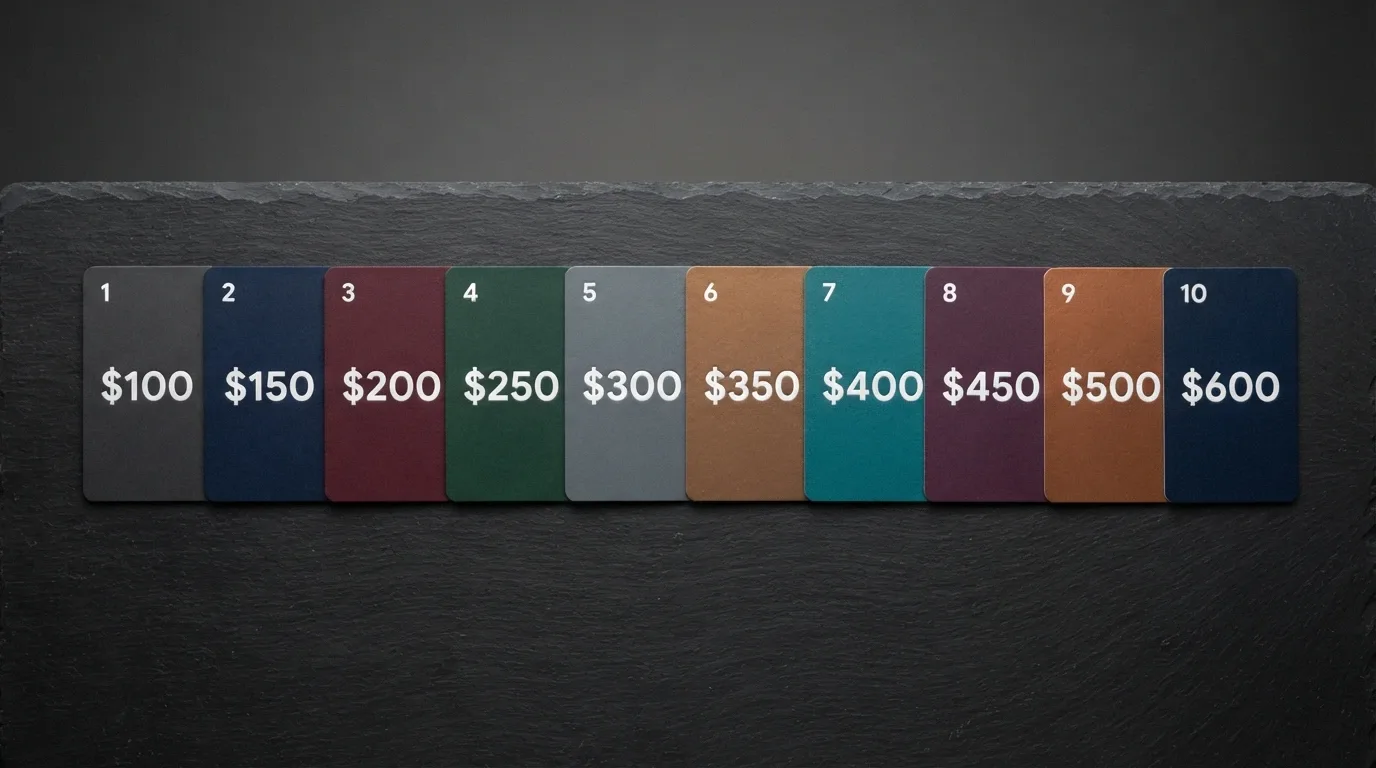
| Operator | AU Licence Status | Welcome Bonus | Wagering | Free Spins | LTC Withdrawal Speed | Game Providers | Min Deposit (LTC equivalent) |
|---|---|---|---|---|---|---|---|
| BC.Game | Unlicensed in AU | Tiered deposit match (crypto-native) | 40x | Included in welcome tiers | ~8.3 min avg (Casipto, Jan 2026) | 60+ | ~A$15–A$40 |
| Stake | Unlicensed in AU | None (rakeback and VIP rewards) | n/a | None | Within minutes | 30+ | — |
| Rocket Play | Unlicensed in AU | 100% up to AU$200 + 50 FS | 30x on bonus only | 50 on featured slot | Within minutes (Casipto test) | 50+ | ~A$20 |
| Skycrown | Unlicensed in AU | 450% up to A$8,000 + 400 FS (four deposits) | 40x | 400 total (A$300 max win on FS) | Within minutes | 60+ | ~A$30 (1st) to A$50 (4th) |
| Royal Reels | Unlicensed in AU | AU$10 no-deposit + A$2,500 + 50 spins (three deposits) | 35x on bonus only | 50 at A$0.20 stake (A$10 nominal) | Within minutes | 40+ (5,400+ pokies) | — |
| Rainbet | Unlicensed in AU | 100% up to AU$500 + 100 FS | 30x on bonus + deposit | 100 on selected slots | Within minutes | 30+ | — |
| Oshi Casino | Unlicensed in AU (Curaçao OGL/2023/174/0082) | Up to €/$4,000 + 200 FS (four deposits) | 40x | 200 | Same-day | 60+ | — |
| PlayCroco | Unlicensed in AU | 200% welcome bonus | 30x | — | Faster than BTC; A$2,500 weekly limit | RTG-focused | ~A$20 |
| JustCasino | Unlicensed in AU | 100% up to AU$500 + 200 FS | 35x | 200 | Within minutes | 40+ | A$20–A$30 |
| Fair Go | Unlicensed in AU | 100% up to $200 on each of first five deposits (A$1,000 total) | — | — | Quick (crypto cashier) | ~280 games | — |
The columns that read “—” carry no confirmed figure this run. A punter who needs that number to make a decision should check the operator’s own terms page before depositing; the absence on this page is not the operator’s silence, it is the gap the published data left.
BC.Game
BC.Game tops the offshore LTC list by independent test data. The Casipto test in January 2026 gave it a Trust Score of 8.7 out of 10, the highest reading among the brands in this set. Twenty-three test deposits averaged 4.8 minutes to confirmation; nineteen withdrawals averaged 8.3 minutes. Those numbers do the work of a fast crypto cashier, and the Curaçao licence lets BC.Game run that cashier without asking Australian players for proof of identity at deposit. The welcome package is a tiered deposit match across multiple deposits rather than a single A$500 headline, with free spins bundled into each tier. Wagering runs at 40x — the upper edge of the market norm. Sixty-plus providers means the lobby holds Pragmatic Play, Evolution, Hacksaw, Push Gaming and Nolimit City titles alongside smaller studios.
The Casipto data is the closest thing to independent confirmation of either speed or reliability in this set. It does not, however, change that the operator holds no Australian licence and offers an ACMA-blockable product.
Stake
Stake deliberately runs a different model. There is no traditional welcome bonus — no 100% match, no free spins landing on first deposit. The headline offer is rakeback and a tiered VIP programme that returns a slice of house edge to active players over time. Thirty-plus providers feed the lobby, with the same Pragmatic Play, Evolution, Hacksaw and Nolimit City titles that recur across the set. Litecoin withdrawals process in minutes.
The lack of a welcome bonus means there is no wagering requirement to clear, which is the one number that flips in the punter’s favour. Stake suits a high-volume player who treats rakeback as long-term value rather than chasing a sign-up headline. It is the wrong fit for a punter who joined to spin a hundred free spins on their first deposit.
Rocket Play
Rocket Play is the modest match in the set. A 100% bonus up to AU$200 plus 50 free spins on a featured slot is a smaller headline than most of the brands here, but the wagering sits at 30x on the bonus amount alone — not on bonus plus deposit. That single qualifier is the difference between Rocket Play and the bigger-match offers. A 30x wagering on bonus only means a A$200 bonus requires A$6,000 of turnover, against A$14,000 for the same bonus at 35x on bonus plus deposit.
Fifty-plus providers, around A$20 minimum deposit in fiat equivalent, and LTC withdrawals processed within minutes. Rocket Play is the cleanest small offer in the set for a punter with a tight bankroll who wants the wagering in plain numbers.
Skycrown
Skycrown runs the largest headline figure of the ten — a 450% deposit match up to A$8,000 across four deposits, plus 400 free spins, with a 120% first-deposit bonus of up to A$1,200 plus 125 free spins on Wolf Treasure by IGTech. The wagering sits at 40x across the board, and the free spins component carries an A$300 maximum cashout. The four-deposit structure means a punter has to keep funding the account to claim the full package; each tier has its own minimum deposit, climbing from around A$30 on the first deposit to A$50 by the fourth.
Sixty-plus providers means the library covers Pragmatic Play, Evolution, IGTech and BGaming. Skycrown is a windfall for a punter who plans to deposit four times in quick succession and clear four tiers of 40x wagering. It is punishing for anyone who reads the A$8,000 figure as free money.
Royal Reels
Royal Reels is the only brand in this set with a genuine no-deposit offer. An AU$10 bonus lands after phone verification — a step most “no-KYC” brands skip — and a three-deposit welcome pack adds A$2,500 plus 50 free spins at A$0.20 stake (a nominal A$10 headline value). The wagering runs at 35x on the bonus amount only, which keeps the turnover well below the deposit-and-bonus multiples elsewhere.
The library is the largest in the set at 5,400-plus pokies across 40-plus providers. Royal Reels is the right pick for a punter who wants to test the offshore cashier before committing serious funds; the AU$10 no-deposit is the only entry in the set where the punter is not staking their own deposit first.
Rainbet
Rainbet runs a clean 100% match up to AU$500 plus 100 free spins — and that is where the ease ends. The wagering is 30x, which sounds competitive against the 35x–40x market norm, but it applies to bonus plus deposit combined. A A$500 deposit paired with a A$500 bonus at 30x on the combined base means A$30,000 of turnover before a withdrawal is possible, not the A$15,000 a 30x-on-bonus-only structure would carry. The 30x number is technically lighter than 35x, but the base it sits on is twice as large.
Thirty-plus providers, including the standard Pragmatic Play, Evolution and Hacksaw roster. Rainbet is a reasonable mid-tier offer once the qualifier on wagering is read, and a trap for anyone who reads “30x wagering” as the lighter version without checking what the 30x multiplies against.
Oshi Casino
Oshi runs the largest raw bonus figure of the set in euro and dollar terms — up to €/$4,000 plus 200 free spins across four deposits, with 40x wagering on the bonus and free-spin winnings. The Curaçao Gaming Control Board licence carries the registration number OGL/2023/174/0082. The 5-day bonus validity is the tightest in the set; a punter who does not clear the bonus within a working week forfeits it. Sixty-plus providers, thousands of titles, and an LTC cashier that processes withdrawals same-day.
Oshi is suited to a high-roller who can grind through a five-figure turnover inside five days. The tight fuse makes it the wrong fit for a casual punter who treats a bonus as something to clear at leisure.
PlayCroco
PlayCroco runs a 200% welcome bonus with 30x wagering and a narrow game library — RTG (Realtime Gaming) titles dominate the lobby, with Bitcoin and Litecoin the only cryptocurrencies supported. The headline number doubles a deposit; the 30x wagering applies to the bonus amount. A A$2,500 weekly withdrawal limit caps how fast a punter can extract winnings, and the RTG-only roster is a smaller catalogue than the multi-provider brands in the set. A$20 minimum deposit.
PlayCroco is a niche pick for an RTG loyalist who wants a doubled first deposit and accepts the smaller library. It is weaker for a punter hunting the multi-provider lobbies the bigger brands offer.
JustCasino
JustCasino runs a 100% match up to AU$500 plus 200 free spins with 35x wagering on the bonus. The 7-day bonus validity is a tight fuse — the same constraint Oshi imposes, though the smaller bonus figure means the turnover target is lower. AU$20–A$30 minimum deposit, 40-plus providers, LTC withdrawals within minutes.
JustCasino is a solid mid-market offer for a punter who can clear A$17,500 in turnover within a week. Weaker for anyone who treats the bonus as a slow-burn account top-up.
Fair Go
Fair Go runs a five-deposit structure: 100% match up to A$200 on each of the first five deposits, totalling A$1,000 across the welcome period. Bitcoin, Ethereum and Litecoin are all supported. The wagering was not confirmed this run — an absence a punter should read as a yellow flag before claiming — and the library is the smallest in the set at roughly 280 games.
Fair Go is the friendliest total for a punter who plans to spread their first deposits across five payments. It is weaker for anyone who values the larger libraries and confirmed wagering terms the rest of the set publishes.
The pokies and tables that run on a Litecoin deposit
The pokies Australians actually play with Litecoin
Pragmatic Play and NetEnt dominate the LTC casino lobby. The titles below are the ones with verified RTP, volatility and maximum win data; the rest of the lobby runs on RNG the punter cannot check independently. The crypto deposit rail changes nothing about how the reels work — the maths is the maths, regardless of which currency funded the spin.

| Slot Title | Provider | RTP | Volatility | Max Win |
|---|---|---|---|---|
| Gates of Olympus | Pragmatic Play | 96.50% | High | 5,000x |
| Gates of Olympus Super Scatter | Pragmatic Play | 96.50% | High | 50,000x |
| Finn and the Dragon Tales | NetEnt | 96.04% | Medium | 3,828x |
| Divine Fortune Black | NetEnt | 96.26% | High | 20,000x |
| Reel Rush XXXtreme | NetEnt | 96.06% | Medium | 8,130x |
| Lucky’s Wild Pub | Pragmatic Play | 96.53% | High | 10,000x |
| Sweet Bonanza Super Scatter | Pragmatic Play | 96.51% | High | 50,000x |
| Starlight Princess Super Scatter | Pragmatic Play | 96.50% | High | 50,000x |
| Gates of Olympus 1000 | Pragmatic Play | 96.50% | Very high | 15,000x |
| Sugar Rush 1000 | Pragmatic Play | 96.53% | Very high | 25,000x |
| Sweet Bonanza 1000 | Pragmatic Play | 96.53% | Very high | 25,000x |
The “1000” variants are Pragmatic Play’s high-volatility reworkings of its own catalogue, with max wins an order of magnitude above the originals. The “Super Scatter” titles push volatility further still — 50,000x max win on a 96.50% RTP means the same house edge stretched across rarer, larger payouts. A punter choosing between a 96.50% high-volatility pokie and a 96.04% medium-volatility pokie is not choosing a better or worse game; they are choosing how long the bankroll lasts before the variance either helps or buries it.
Table games: blackjack and roulette on a crypto bankroll
The same tables as any online casino, with the same house edges. Standard online blackjack sits around 0.5% house edge when played with basic strategy; European roulette runs at 2.7%; American roulette at 5.26%. The crypto rail changes nothing about the maths — a Litecoin deposit and a debit card deposit face the same RNG and the same dealer. The titles that show up at the offshore LTC brands mirror what a punter would find at any multi-provider casino: Infinite Blackjack, Lightning Roulette, Speed Baccarat, plus first-person RNG variants for solo play.
What the crypto rail does change is the bankroll mechanics. A punter who funds in LTC and wins in LTC is exposed to the spot rate between deposit and withdrawal. A 5% Litecoin price move during a session will outweigh any house-edge grind on a small bankroll, which is one reason casual LTC players tend to convert to AUD (or USD) at the cashier and play the games in fiat-equivalent credits.
Live dealer: real dealers, real tables, Litecoin buy-in
Evolution Gaming powers the live-dealer studios at most of the brands in this set — BC.Game, Stake, Rocket Play, Skycrown, Royal Reels, Rainbet, Oshi and JustCasino all carry Evolution tables. The dealer never sees the currency; the punter buys in with casino credits denominated in AUD (or USD), funded by their LTC deposit at the cashier. Live blackjack, live roulette and the game-show titles (Monopoly Live, Crazy Time, Deal or No Deal Live) run the same way they do at any fiat casino.
The experience is closer to a land-based casino floor than an RNG table — real cards, real wheels, real human dealers streaming from studios in Malta, Latvia, Romania and elsewhere. The crypto angle adds nothing to that experience beyond the deposit and withdrawal rails; whether the punter paid in AUD, USD or LTC, the live dealer hands the same cards.
Why your 2026 litecoin casino bonus is smaller than it looks
A 100% match up to A$500 reads as “the casino gives me A$500”. It does not. The wagering requirement on the combined bonus and deposit is the real number a punter pays to extract the bonus as cash. At 35x — the lower edge of the market norm — a A$500 deposit matched by a A$500 bonus means A$1,000 × 35 = A$35,000 of turnover before a single cent becomes withdrawable. Anything above 50x is poor value; 35x–40x is the band the reputable operators sit in.
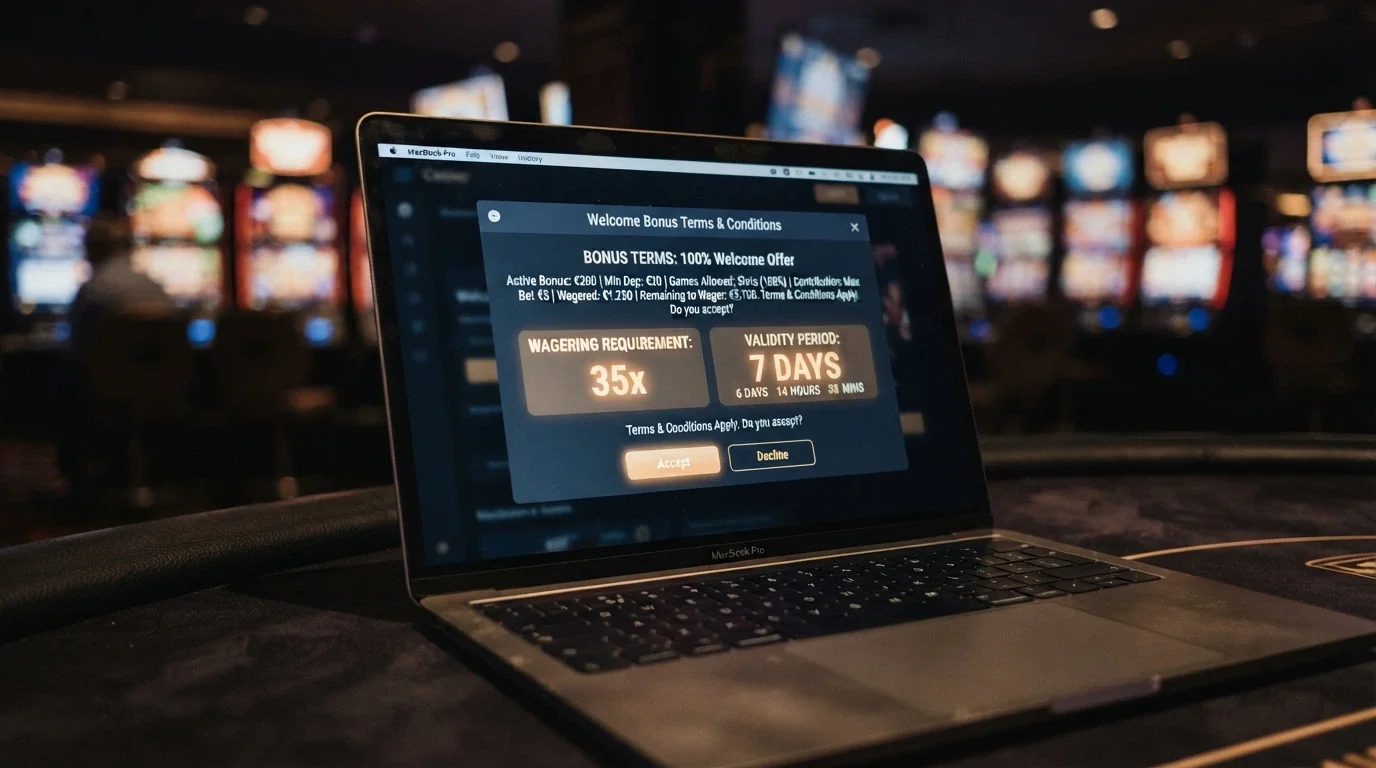
The expected cost of clearing a bonus is straightforward arithmetic. Assume a punter deposits A$500, claims a A$500 bonus, and runs the full A$35,000 turnover on a pokie running at 96.50% RTP. The house edge on every spin is 3.5%, so the expected loss across A$35,000 of play is A$35,000 × 0.035 = A$1,225. That is the statistical cost the punter pays to convert the A$500 bonus into withdrawable cash — a number that does not appear anywhere on the casino’s marketing page, and one that turns the headline A$500 bonus into a smaller real win than the punter walked in expecting.
A bonus is a marketing price, not a gift. The arithmetic just exposes the receipt.
The welcome bonus that looks bigger than it is
The Skycrown package is the clearest illustration of how a headline grows and a real cost hides. A 450% match up to A$8,000 across four deposits reads as a windfall. The 40x wagering on each tier, multiplied by the full bonus plus deposit at each step, sets a turnover target that runs into five figures per tier. A punter who deposits the minimum at each of the four tiers to claim the full A$8,000 is committing to several hundred thousand dollars of wagering before the bonus funds are unlocked — and the math on expected cost, using a 96.50% RTP pokie, runs at 3.5% of that turnover.
The cheaper offer in the set often wins on real value. Rocket Play’s 100% up to AU$200 at 30x on bonus only requires A$6,000 of turnover for a A$200 bonus. The expected cost of clearing sits at roughly A$210 at the same 96.50% RTP — a number that beats the larger-match offers on percentage cost as well as on absolute dollars.
No-deposit bonuses: free money with the longest strings attached
Royal Reels offers an AU$10 no-deposit bonus after phone verification. It is the only entry in the set with a confirmed no-deposit component, and it is the one that most clearly shows what “no deposit” actually means in this market. The A$10 lands as playable credit, but a 35x wagering requirement on the bonus amount means A$350 of turnover before any win becomes withdrawable. A punter who hits the wagering and walks away with A$15 has won A$5 of real money after grinding A$350 of spins.
The no-deposit bonus is a trial, not a payout path. The expected cost of running A$350 of turnover at 96.50% RTP is A$12.25, which against an A$10 starting bonus means the punter is statistically underwater before the bonus even credits. The format works as a way to test whether the cashier, the games and the user experience suit a punter’s taste. It does not work as a way to make money.
Free spins on litecoin deposits: what 100 spins is actually worth
A free-spin package arrives with three qualifiers attached: a minimum stake (often A$0.10 to A$0.20 per spin), a game restriction (locked to a single title the casino picked), and its own wagering on the winnings. JustCasino’s 200 free spins at 35x wagering on the winnings is a generous headline; the real question is what the spins pay out before the wagering starts. A punter running 200 spins at A$0.20 on a 96.50% RTP pokie wins on roughly 5%–15% of spins, with the average payout small enough that the nominal A$40 of stake value (200 × A$0.20) rarely converts to more than a few dollars of pre-wagering winnings.
Skycrown’s 400-spin component caps at A$300 maximum cashout, which is a hard ceiling on what the spins can ever be worth in real terms. Royal Reels’ 50 free spins at A$0.20 stake carries an A$10 nominal value — close enough to the actual expected return that the headline is honest. Free spins are a sampler, not an income stream. A punter who treats them as the latter is overpaying the lesson.
How a Litecoin deposit lands and a withdrawal leaves
Three steps from wallet to casino balance with Litecoin
The first step is the cashier. A punter opens the deposit screen, selects Litecoin (or LTC), and the casino generates a unique deposit address — a long alphanumeric string that ties the incoming transaction to the punter’s account. Some brands generate a fresh address per deposit; others reuse a static address with a per-deposit amount tag. Either works; the address is the destination.
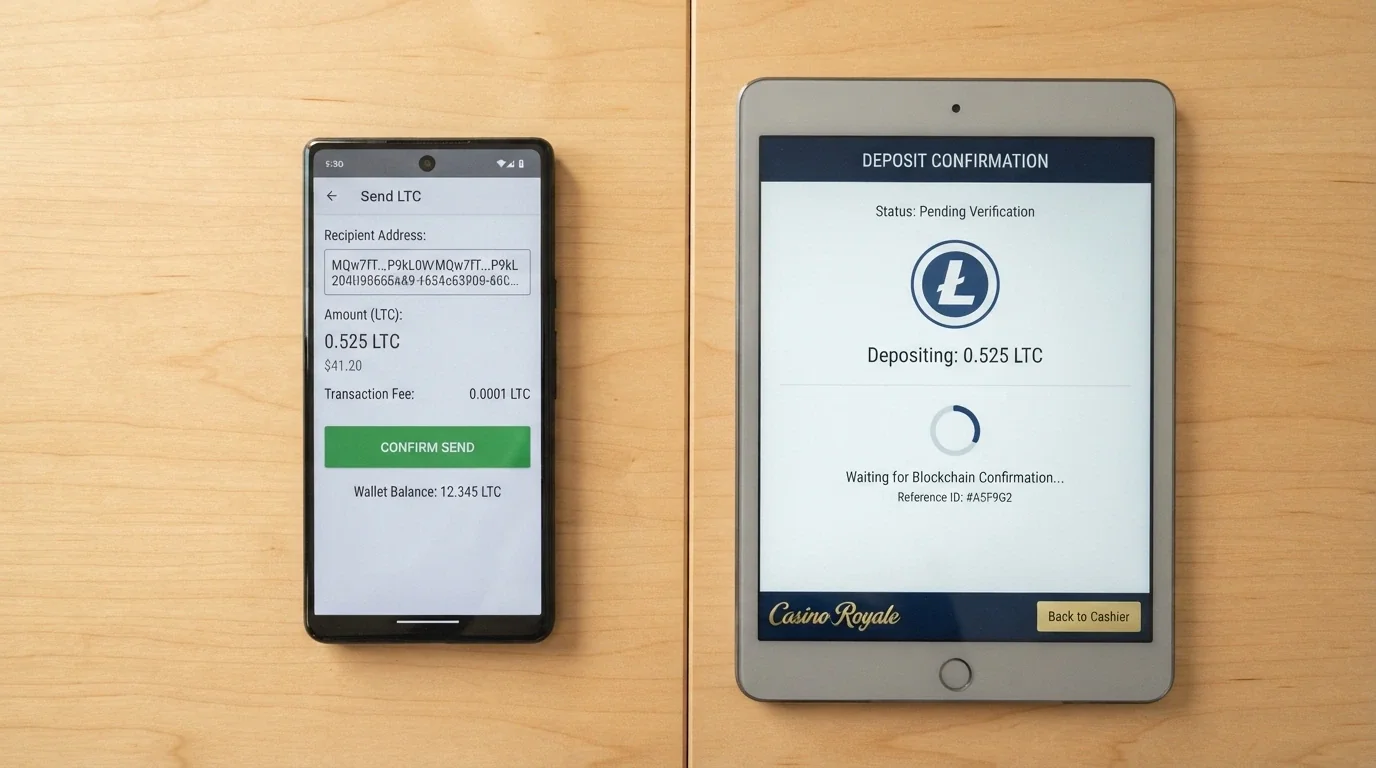
The second step is the wallet. The punter opens their Litecoin wallet (mobile, desktop or hardware), pastes the address, enters the amount in LTC, and confirms the send. The transaction broadcasts to the Litecoin network. Block times on Litecoin run at roughly 2.5 minutes, and the casino waits for a set number of confirmations — typically two to four — before crediting the account. At BC.Game in January 2026 the average end-to-end time across 23 test deposits was 4.8 minutes.
The third step is the credit. The casino credits the punter’s account in AUD (or USD, depending on the cashier) at the spot rate the operator applies at confirmation. From that moment the funds are playable balance, indistinguishable from a debit-card deposit. The minimum deposit at most brands in this set falls between A$15 and A$40 in fiat equivalent — a small enough floor to test the cashier with a few dollars of LTC.
Why Litecoin withdrawals are faster than bitcoin (and where they’re not)
Litecoin block times run at roughly 2.5 minutes, against Bitcoin’s 10. The difference is real: a Bitcoin withdrawal can sit in the mempool for several blocks before confirmation, while a Litecoin withdrawal usually clears within two blocks. BC.Game’s January 2026 test data showed LTC withdrawals averaging 8.3 minutes end-to-end — and a chunk of that is the casino’s internal processing, not the blockchain.
The bottleneck is rarely the network. It is the operator’s withdrawal queue, identity check (where they apply one) and any per-day or per-week cap. PlayCroco caps withdrawals at A$2,500 per week, regardless of how fast the blockchain clears; a punter with a A$10,000 win waits three weeks to extract the full amount. Most brands in the set process LTC withdrawals within minutes once the punter has cleared any bonus wagering and any active KYC hold. The blockchain is the easy part of the puzzle. The operator’s own rules decide the rest.
Litecoin casino on mobile: app or browser?
The short answer is browser. Most of the offshore LTC brands in this set run a responsive mobile web platform rather than a native iOS or Android app — there is no Litecoin Casino app in the Australian App Store, and Google Play blocks real-money casino apps in most regions. The mobile browser experience mirrors the desktop lobby: same games, same cashier, same deposit flow. A punter on a phone pastes the LTC deposit address from the cashier into their mobile wallet, confirms the send, and the playable balance lands within the same 5-to-10-minute window the desktop cashier hits.
The deposit flow is identical on mobile and desktop. The game library is identical. The withdrawal flow is identical. A punter who plans to play mostly on their phone loses nothing functionally by skipping the desktop site entirely; the responsive web lobby handles the full catalogue. What changes is the experience of long sessions on a smaller screen — pokies render fine, live-dealer streams are clean, but table games with multiple side bets get cramped. That is a UX limitation, not a product gap.
No-KYC litecoin casinos: the trade-off Australians make
Anonymous play: the privacy promise and the payout problem
A brand that advertises “no KYC” is telling the punter they will not be asked for proof of identity at deposit. Royal Reels’ AU$10 no-deposit bonus is the one concrete example in this set — phone verification, no document upload, no address check. The promise reads like a privacy win for a punter who does not want a casino holding their driver’s licence. The trade-off surfaces at withdrawal.
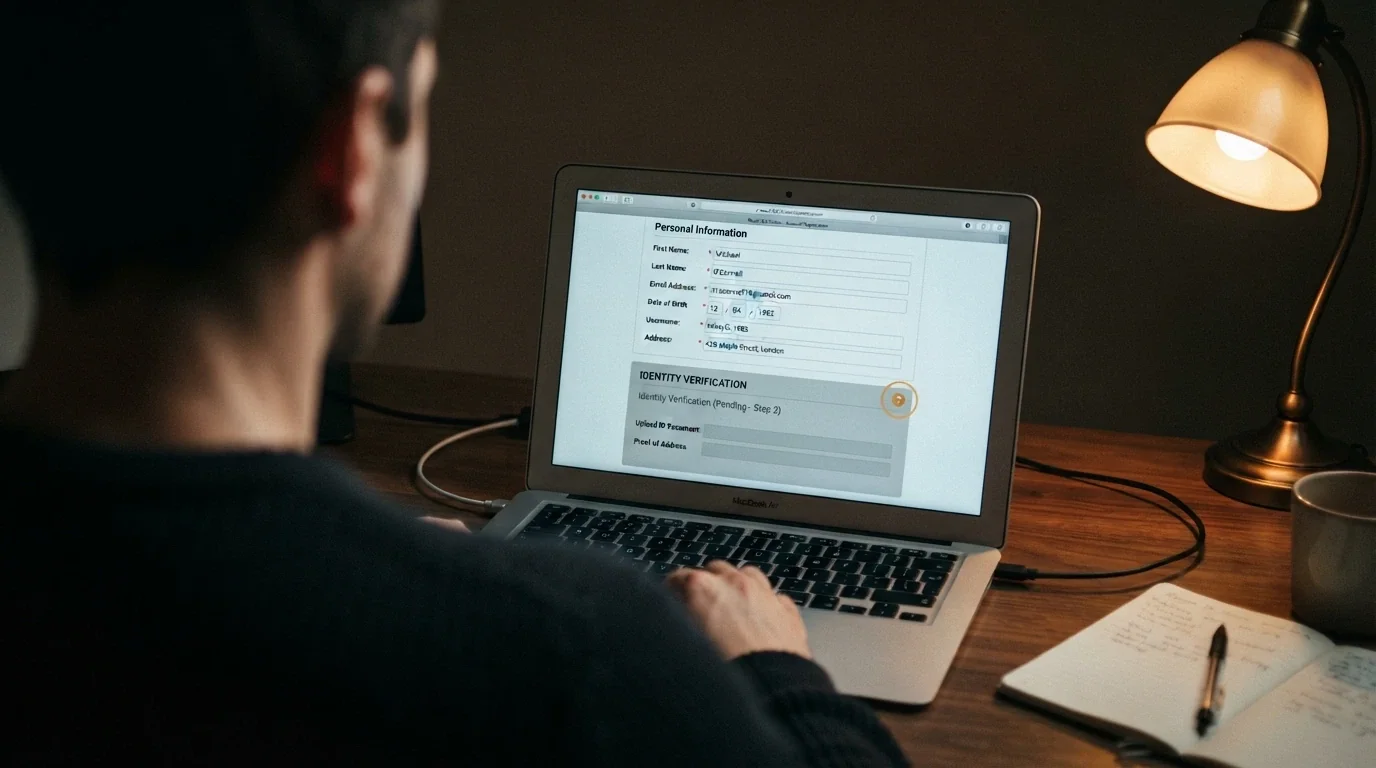
The same operator may demand identity documents at the point of withdrawal. The deposit-side privacy promise is not a contract; it is an onboarding choice. When a withdrawal above a certain threshold is requested, the casino’s anti-money-laundering obligations under its Curaçao licence kick in, and the punter who skipped KYC at sign-up is asked for the documents they would have provided up front. A punter who refuses, or who cannot provide what the casino asks for, sits on a balance the operator will not release.
The Australian layer makes the trade-off sharper. There is no ACMA to escalate to, no Australian consumer protection regulator to appeal a refusal, no local dispute resolution scheme. The Curaçao licence that lets the operator skip Australian rules does not, in turn, give the Australian punter a Curaçao-based complaint path. The “no KYC” pitch is half a promise. The other half lives at the cashier, and the punter finds out which half when they try to withdraw.
The offshore reality: what Australian law actually says about crypto casinos
The Interactive Gambling Act: why online casino has no Australian licence
The Interactive Gambling Act 2001 makes it an offence to provide online casino games, online pokies or in-play sports betting to a person in Australia. There is no licence for any of those products — not federally, not in any state or territory. Providing a prohibited interactive gambling service carries civil penalties up to A$2,475,000 per day for an individual and A$12,375,000 per day for a corporation, and criminal penalties up to A$360,000 per day for individuals and A$1.8 million per day for bodies corporate.

The Act does not prosecute the player. The criminal and civil exposure falls on the operator — the offshore brand accepting Australian deposits, the affiliate site marketing to Australians, the payment processor routing funds to a prohibited service. The punter, in practice, faces no legal risk for playing; the risk is that the operator has no Australian obligation to pay them when they win.
What the IGA does permit is licensed wagering on races and sport before the event begins, lotteries, and keno — through operators holding a state or territory licence (most commonly issued by Licensing NT, with 20-year terms available). Those are the only legal online gambling products in Australia. A brand that sells itself as anything else is selling outside the rules.
What the ACMA actually does (and what it cannot do for you)
The Australian Communications and Media Authority enforces the IGA. It investigates complaints, issues formal warnings, refers operators for civil penalty proceedings, and directs Australian ISPs to block prohibited services. The track record is real: more than 1,564 illegal gambling and affiliate websites have been blocked since November 2019, and more than 225 illegal services have withdrawn from the Australian market since enforcement was strengthened in 2017.
What the ACMA cannot do is recover a punter’s funds from an offshore operator. The regulator can block the site, fine the provider, and pursue the affiliate; it cannot force a Curaçao-licensed brand to release a withdrawal to an Australian account. That gap is the structural reason an offshore LTC casino is risky in a way a licensed Australian wagering service is not: there is no one to call when the cashier stops paying. The punter’s protection is the punter’s choice of brand, not the regulator’s.
The 2026 reforms that will make offshore gambling harder to reach
From 1 January 2027, banks and payment providers gain express authority to block transactions to illegal gambling operators. The Interactive Gambling Amendment (Gambling Reform) Bill 2026 passed Parliament on 19 August 2026; its measures commence at the start of 2027. Credit cards and digital currency have been banned as payment for online wagering since 11 June 2024 — a measure that hits the licensed wagering products, where the practical effect is small because most licensed operators already declined credit-card funding, but which signals the regulatory direction.
The marketing side of the reform is sharper. From 1 January 2027, direct marketing of inducements is prohibited for 14 days after a customer signs up, for three months after a person deregisters from BetStop, and indefinitely for customers identified as at risk. The broader advertising framework caps wagering ads at three per hour between 6:00 am and 8:30 pm, bans live-sport odds on broadcast, and bars athletes and celebrities from promoting wagering products.
The combined effect is a regulatory regime that closes the door on offshore operators a step at a time — payment blocking first, marketing inducements next, ISP blocking already in place. A punter using an offshore LTC casino today is using a product that is being progressively squeezed from three sides at once. The convenience of a Litecoin deposit does not insulate the cashier from that pressure.
New litecoin casinos in 2026: fresh sites, same offshore reality
A new LTC casino launch in 2026 means a new brand, a new welcome bonus and the same unlicensed status in Australia. The operator is new; the legal risk is not. The Curaçao licence plate on the footer is the same plate the rest of the set carries, and the prohibition under the IGA applies to every operator that takes Australian deposits, regardless of how recently the site went live.

A punter assessing a fresh launch should check three things before depositing. First, the licence — Curaçao is the common registration, but the licence number should be verifiable on the regulator’s public register, not just printed on the operator’s footer. Second, the provider roster — a brand running Pragmatic Play, Evolution, NetEnt and a handful of provably-fair studios has a more accountable game catalogue than a brand running unknown studios with unverifiable RTPs. Third, the withdrawal history — a brand with independent test data on deposit and withdrawal times (the kind Casipto publishes for BC.Game) is a more verifiable operator than one whose withdrawal speed is a marketing claim with no third-party confirmation.
A new brand with a generous welcome bonus is offering the same product the rest of the set offers, with a smaller track record. The bonus is not the discount; the newness is the risk.
Free litecoin slots: play without a deposit
Most LTC casinos run a demo mode on their pokies — the punter clicks a slot, the reels spin with a fake balance, no deposit is required and no real money is at stake. It is the same demo play any online casino offers, with or without crypto. The games are the same Pragmatic Play, NetEnt, Hacksaw and Nolimit City titles the real-money lobby runs; the demo mode exists so a punter can test volatility, bonus frequency and feel before committing funds.
What demo mode does not offer is real winnings. Every win in demo play is a number on a screen. The step from demo to real-money play is where the cashier enters the picture — and where the offshore reality applies. A punter who plays Gates of Olympus in demo mode at three in the morning is making a no-cost choice. The same punter who switches to real-money play at three in the morning, with no deposit limit and no BetStop registration, is making a different kind of choice entirely.
Demo play is a useful tool for learning a pokie’s volatility. It is not a substitute for a deposit limit, a budget, or a self-exclusion option the punter has actually used.
Staying in control when the casino has no Australian limits
BetStop: the self-exclusion register that offshore casinos ignore
BetStop — the National Self-Exclusion Register — went live in August 2023. One registration excludes a person from every Australian-licensed online and phone wagering service. By 31 July 2026 the register had more than 67,480 registrations, with more than 41,290 exclusions still active. By the end of Q4 of FY 2024–25 the cumulative figure sat at 44,841 registrations, with 30,032 exclusions active at 30 June 2025. The numbers climbed in the year that followed.
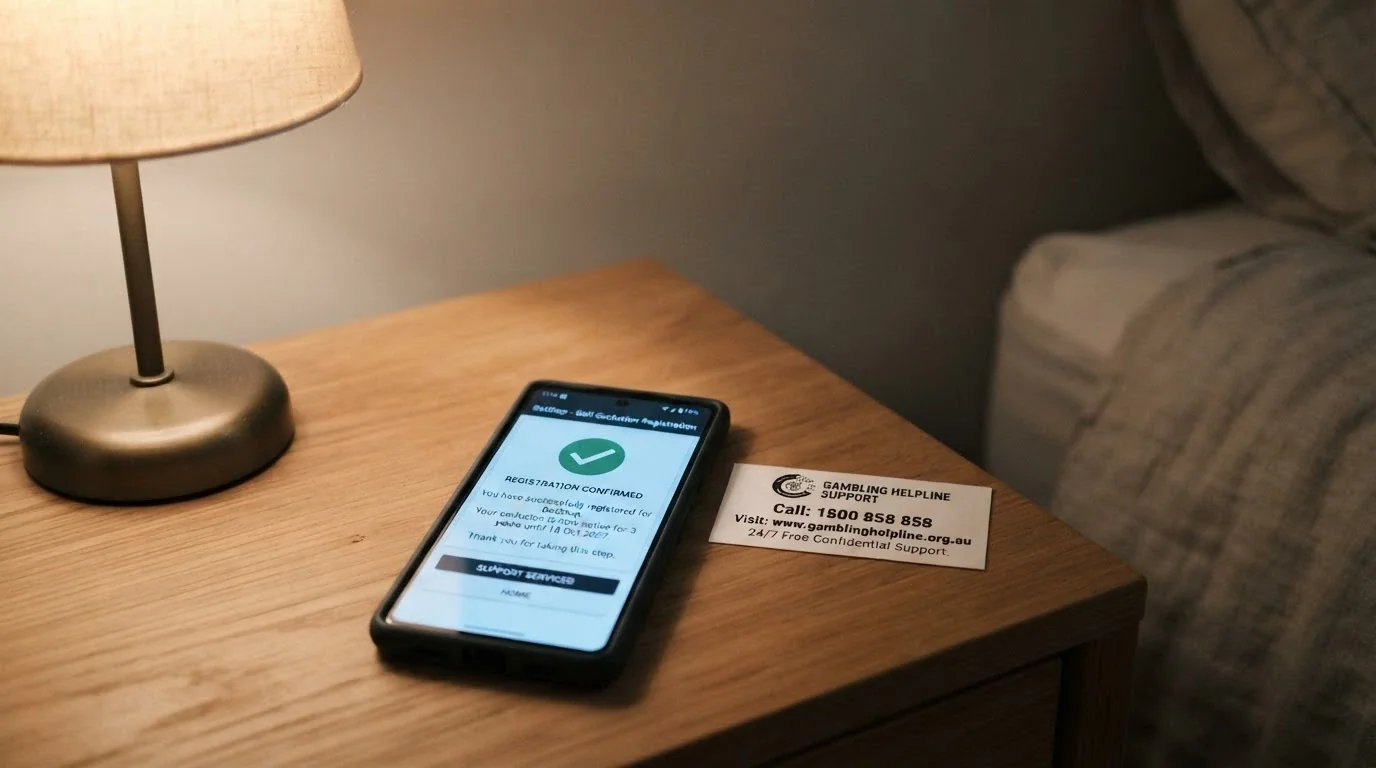
The demographic skew is informative. Seventy-eight per cent of BetStop registrants are under 40, and 38% chose lifetime exclusion — the longest available period, signalling that the decision to self-exclude is rarely a casual one.
BetStop binds Australian-licensed wagering services. An offshore LTC casino is not connected to the register. A punter who registers with BetStop is excluded from Sportsbet, Ladbrokes, TAB and the other licensed brands; the Curaçao-licensed casino in their browser continues to take their deposits without interruption. The Australian self-exclusion architecture stops at the border, and offshore operators are the border.
The numbers that should make every Australian punter pause
About 2.9% of Australian adults — an estimated 622,000 people — have serious gambling problems under the Problem Gambling Severity Index, with incidence increasing year-on-year for the last two years. Risky gambling in the broader PGSI sense rose from 13.7% in 2024 to 19.4% in 2025, a jump of more than five percentage points in a single year. Online participation has crossed the halfway mark: 56.1% of Australians who gambled in the past 12 months did so mainly online. Approximately 5.9% of Australian adults reported being harmed by another person’s gambling in the same period.
The help-seeking rate is the number that quietly undercuts the rest. Only 13.5% of those engaged in moderate-risk and high-risk gambling reported seeking help. More than eight in ten people who would benefit from a conversation with a trained professional are not having one.
The National Gambling Helpline on 1800 858 858 is free, confidential and staffed 24 hours a day, seven days a week. Gambling Help Online runs chat and counselling at gamblinghelponline.org.au. The National Debt Helpline on 1800 007 007 handles the financial side. None of those services require a punter to be playing at a licensed operator; they are available to anyone, including those using offshore LTC casinos, and they are the most useful single thing a punter in trouble can do.
How we evaluated these litecoin casinos
The assessment draws on the Australian Communications and Media Authority’s enforcement and self-exclusion data, the Australian National University’s 2025 gambling participation study, Roy Morgan’s Problem Gambling Severity Index work for 2025, the NSW Gambling Survey 2024, Healthdirect Australia’s helpline information, and the individual operator sites and review pages surfaced this run. The criteria were: legality (the IGA prohibition and what it means for an Australian punter); the licensed alternatives (pre-event wagering only); the offshore operators that actually reach Australian players (identity, licence status, bonus terms, payment support); harm-minimisation infrastructure (BetStop, the helpline, PGSI prevalence); and the regulatory trajectory (the 2026 reform package, payment blocking from 2027).
The limitation that shapes the page is structural: there is no Australian-licensed litecoin casino to evaluate, because no such licence exists. Every brand in this set is offshore, every one carries the same prohibition risk, and the differences between them are differences in bonus size, wagering structure and withdrawal speed — not differences in legal standing.
Is a litecoin casino worth the risk for an Australian punter?
The trade-off, laid out plainly: an offshore LTC casino offers fast Litecoin deposits, withdrawals inside ten minutes at the better-engineered cashiers, and welcome bonuses that range from A$200 to A$8,000 in headline size. The same operator holds no Australian licence, sits outside BetStop, gives the punter no ACMA recourse if a withdrawal is refused, and can be ISP-blocked in Australia at any time with a balance still on the account. The 2027 payment-blocking reform will tighten the squeeze further.
For a punter who has decided the trade-off is worth it, BC.Game is the speed-and-reliability pick on independent test data; Rocket Play is the cleanest small offer; Royal Reels is the only entry with a confirmed no-deposit bonus. For a punter who has not yet decided, the honest question is what protections they are giving up — and whether the bonus headline is large enough to compensate for losing them.
The expected cost of clearing a A$500 welcome bonus with 35x wagering on bonus plus deposit, run on a 96.50% RTP pokie, is A$1,225. That is the real price of converting the marketing headline into withdrawable cash. A punter who walks in knowing the price is making a clearer decision than one who walks in chasing the headline.
If the maths, the law or the help-seeking rate give a punter pause, the National Gambling Helpline on 1800 858 858 is free, confidential and available around the clock.
Frequently asked questions about litecoin casinos in Australia
Can I use Litecoin to gamble at online casinos from Australia?
Yes — Australian players can technically deposit LTC at any offshore casino that accepts it, and the operators in this set do. The product they are buying is prohibited under the Interactive Gambling Act 2001, the operator holds no Australian licence, and the punter has no ACMA recourse if a withdrawal is refused. The fact that a deposit can be made does not mean the activity is regulated.
Are litecoin casinos legal in Australia?
No. The Interactive Gambling Act 2001 prohibits the provision of online casino games to people in Australia, and no licence exists for any operator — Australian or offshore — to offer the product legally here. Every brand in this guide operates from Curaçao and is unlicensed in Australia by force of statute.
How do I deposit with Litecoin at a crypto casino?
Open the cashier, select Litecoin (sometimes labelled LTC), copy the deposit address, paste it into your Litecoin wallet, enter the amount in LTC and send. The casino waits for two to four network confirmations (typically 5–10 minutes on Litecoin) before crediting the account in AUD or USD at the spot rate.
What are the wagering requirements for litecoin casino bonuses?
Wagering of 35x–40x on the combined bonus and deposit is the current standard at reputable LTC casinos; anything above 50x is poor value. A A$500 deposit matched by a A$500 bonus at 35x on the combined base requires A$35,000 of turnover before a withdrawal is possible.
What happens if an offshore casino refuses my withdrawal?
The punter has no Australian regulator to escalate to. The Curaçao licence the operator carries comes with a complaint process on the regulator’s end, but in practice an Australian player who has been refused a payout is reliant on the operator’s own dispute resolution — which may be slow, opaque or non-existent. This is the structural risk an offshore LTC casino carries that a licensed Australian wagering service does not.